Climate and People
Science, economics, and ancestral knowledge
connected through climate balance
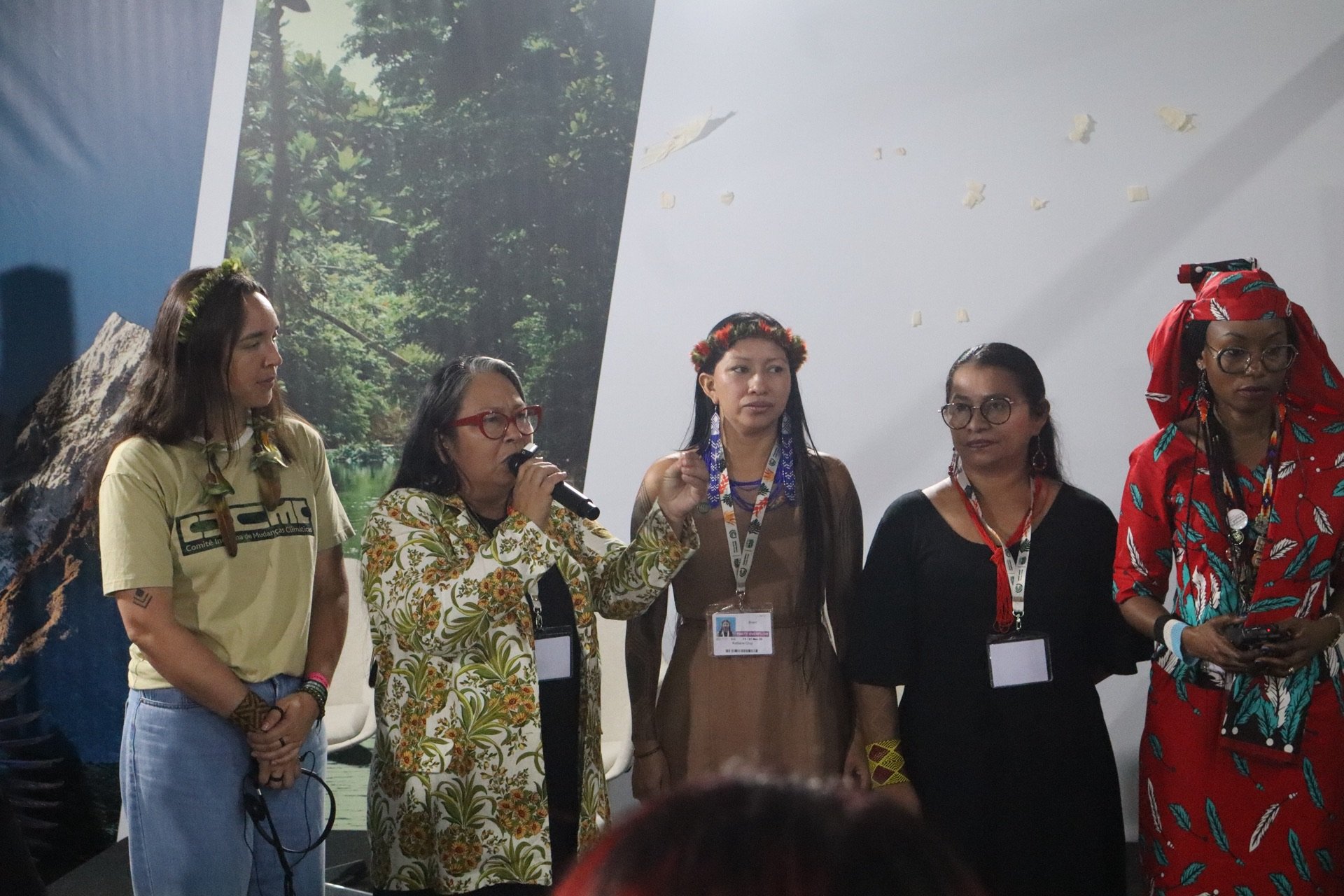
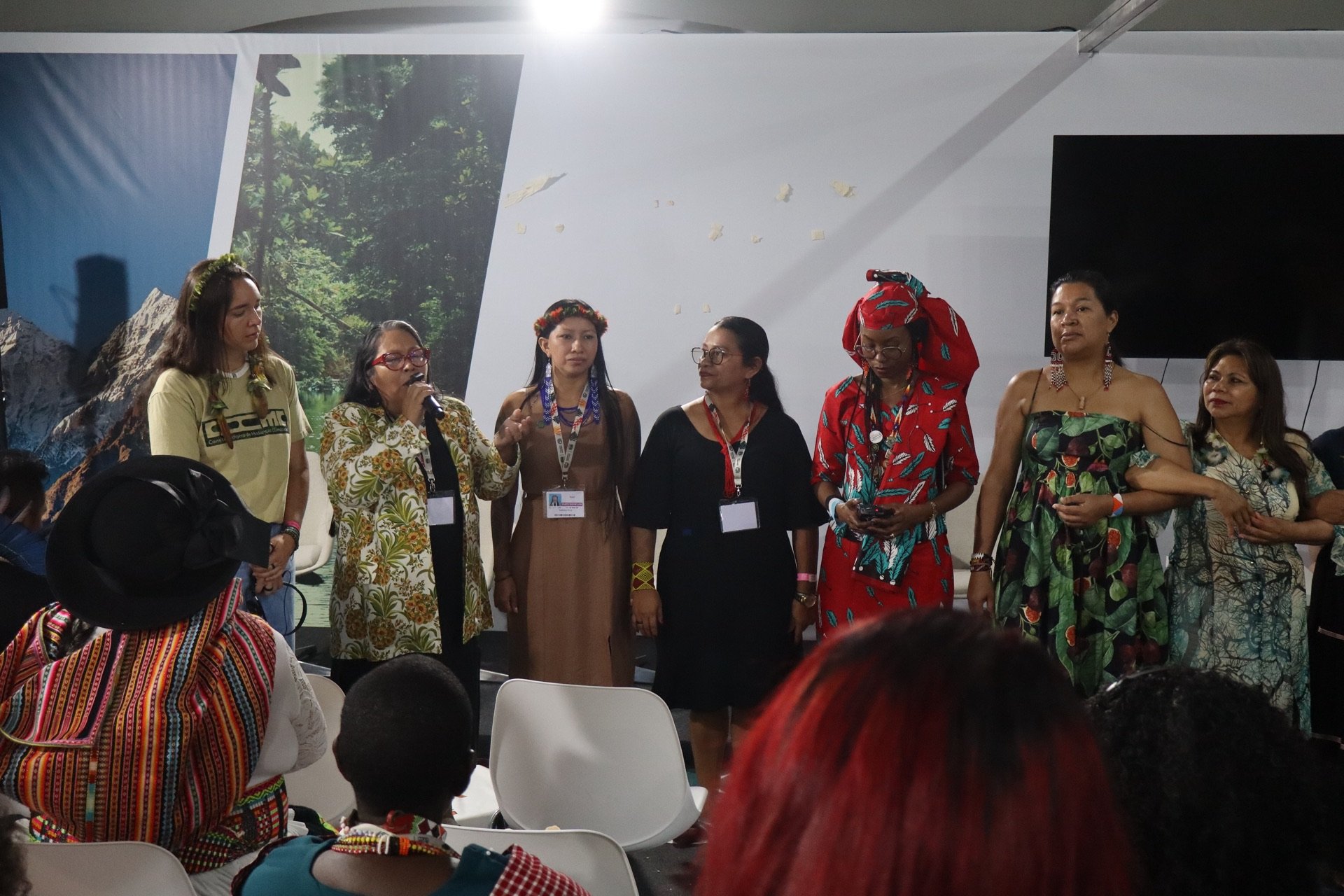
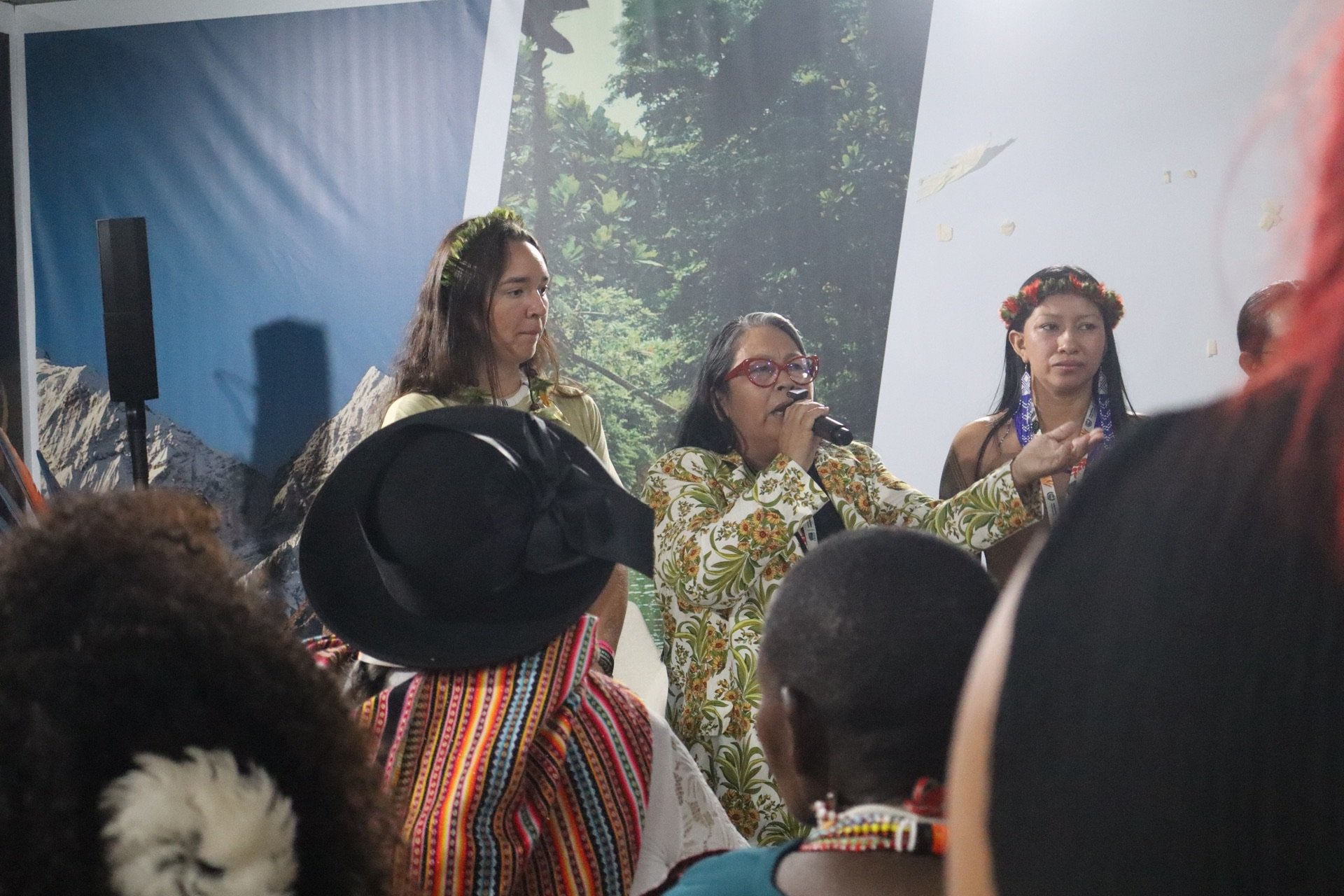
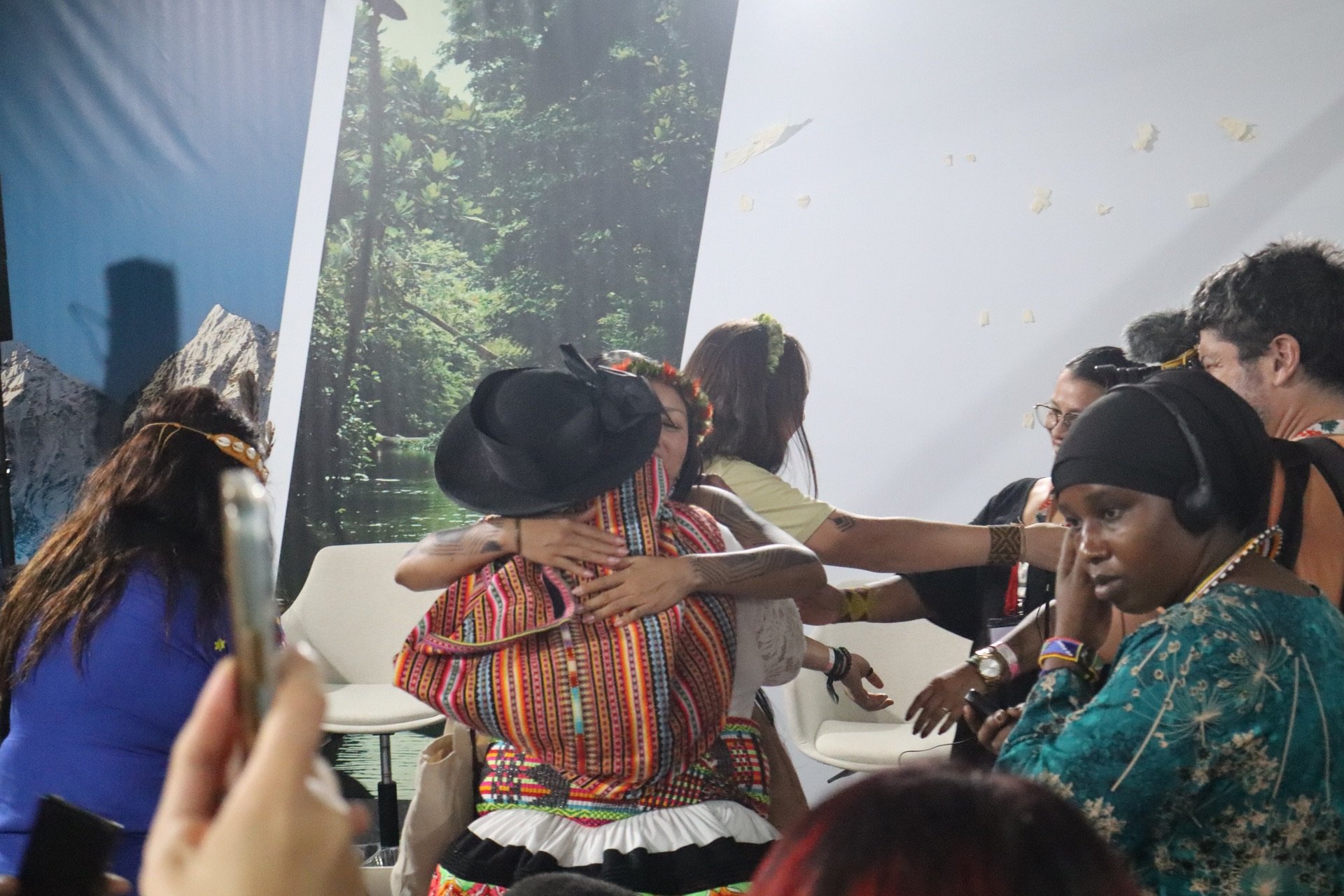
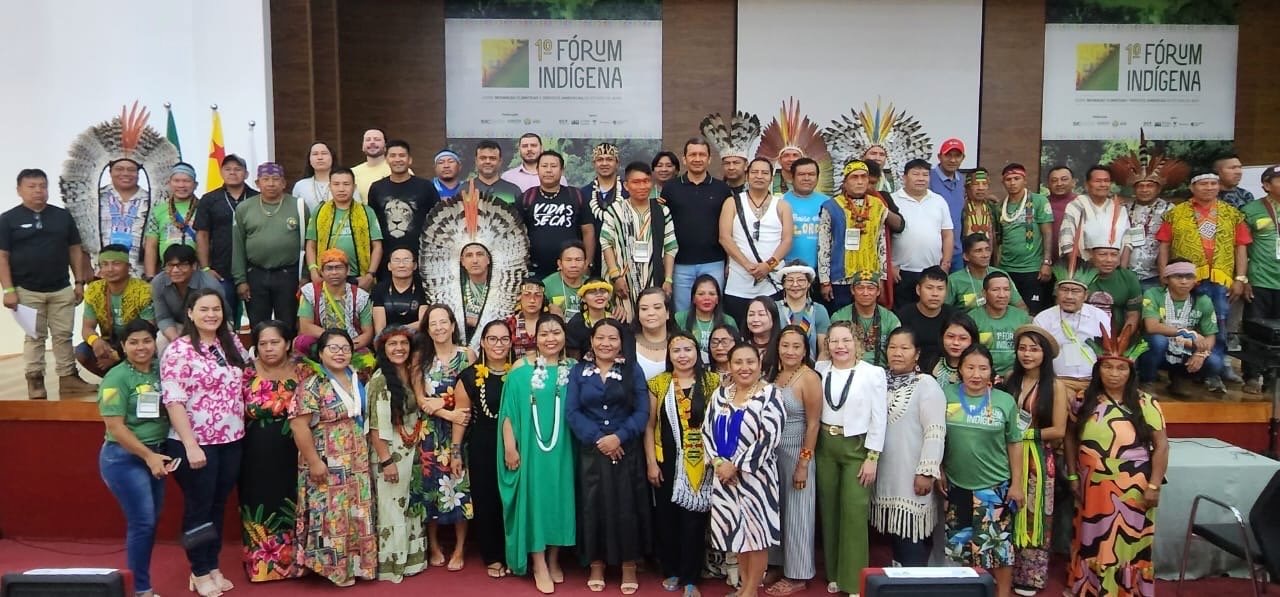
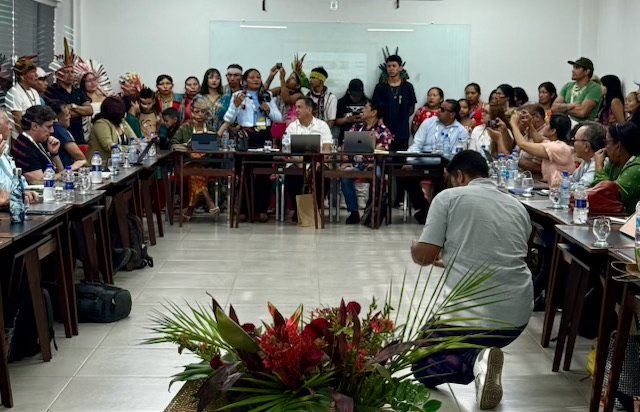
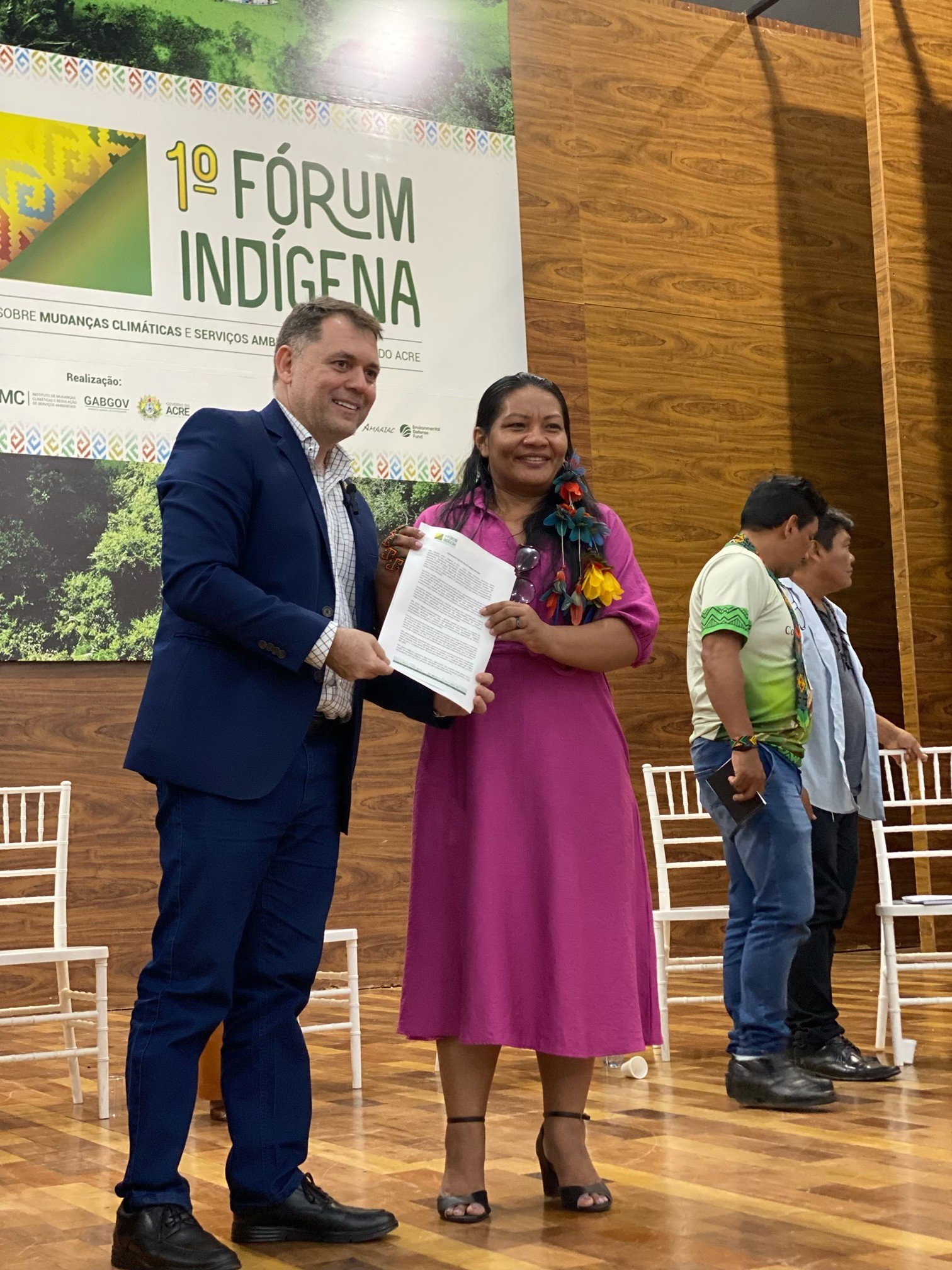
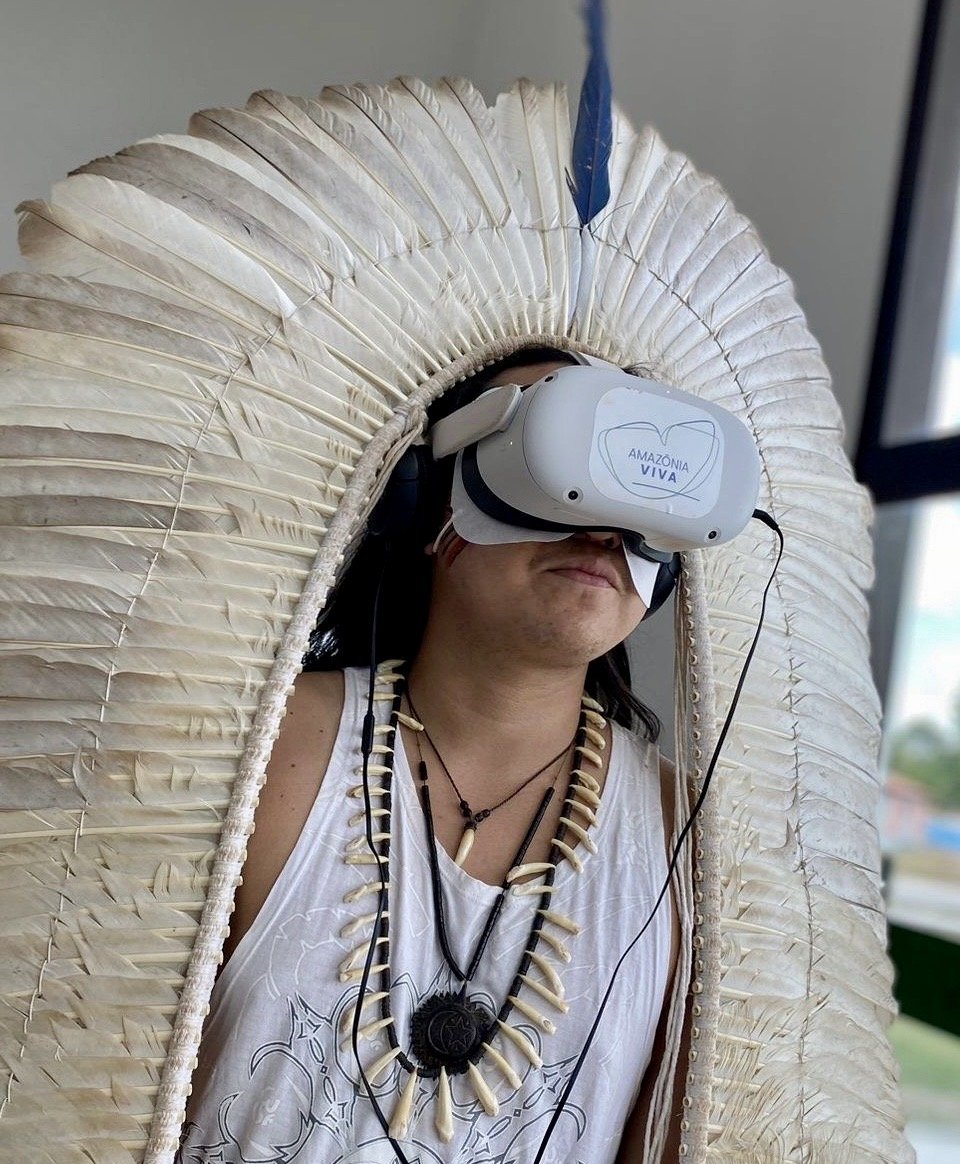
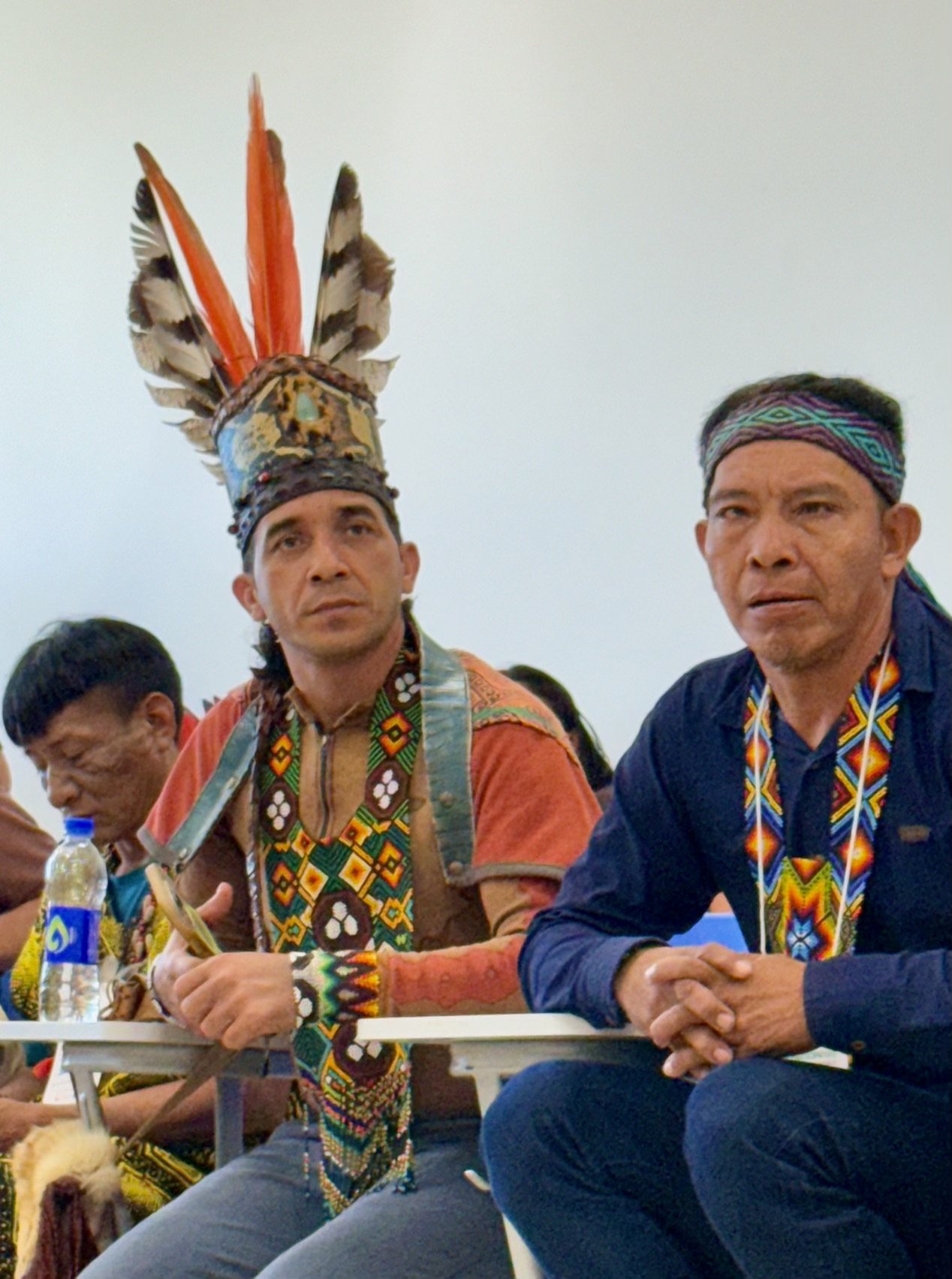
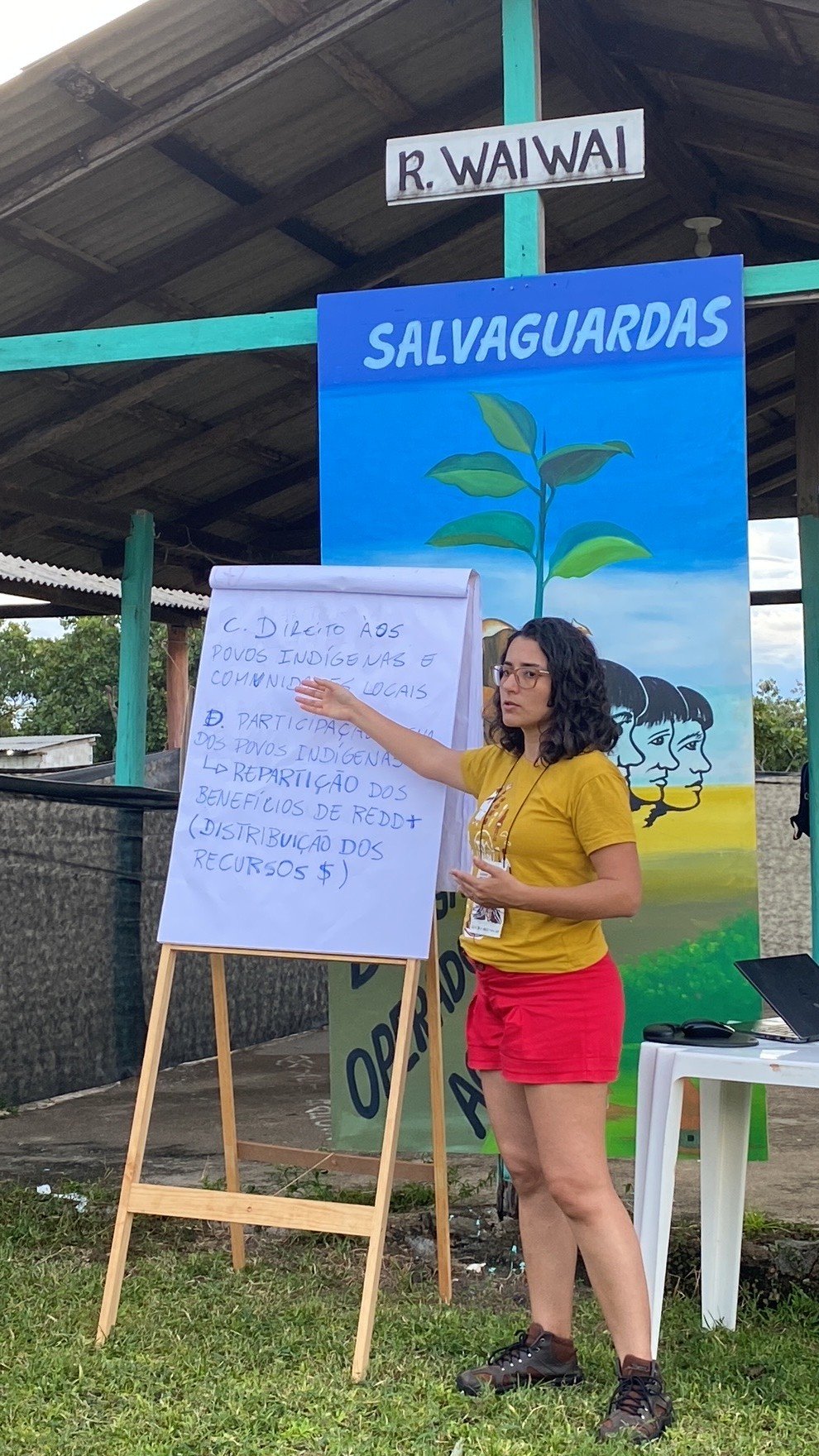
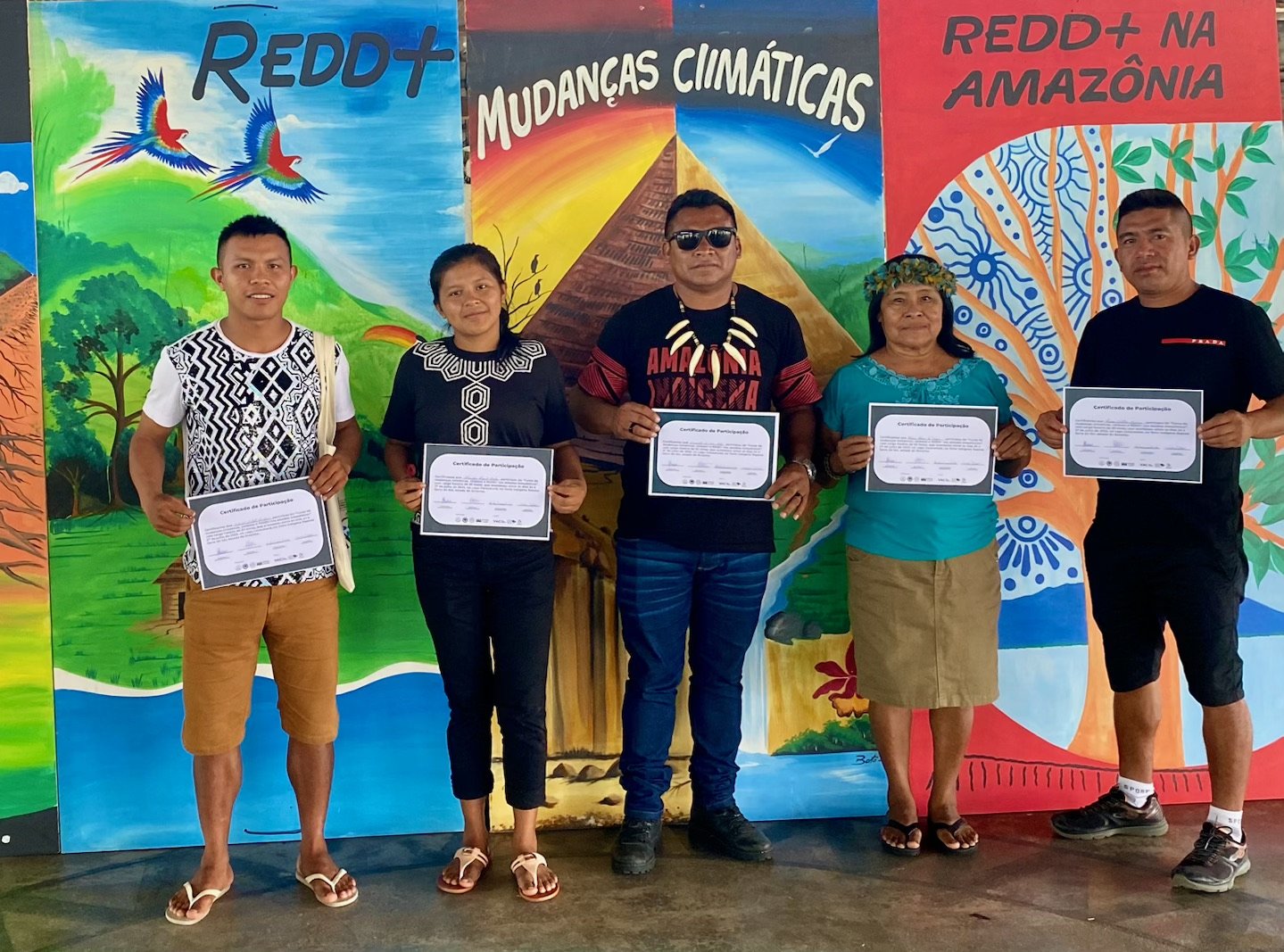
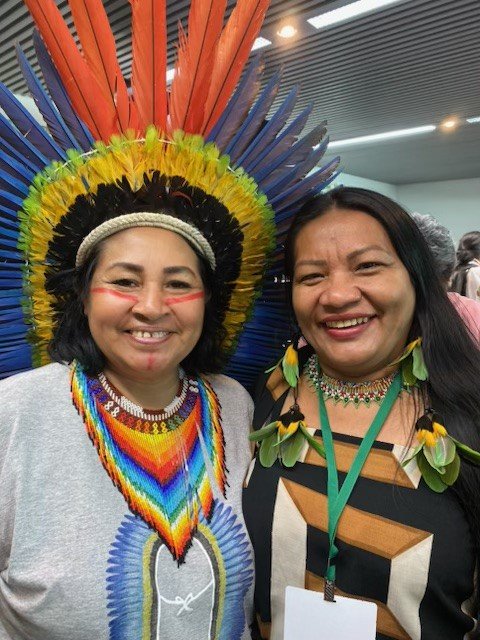
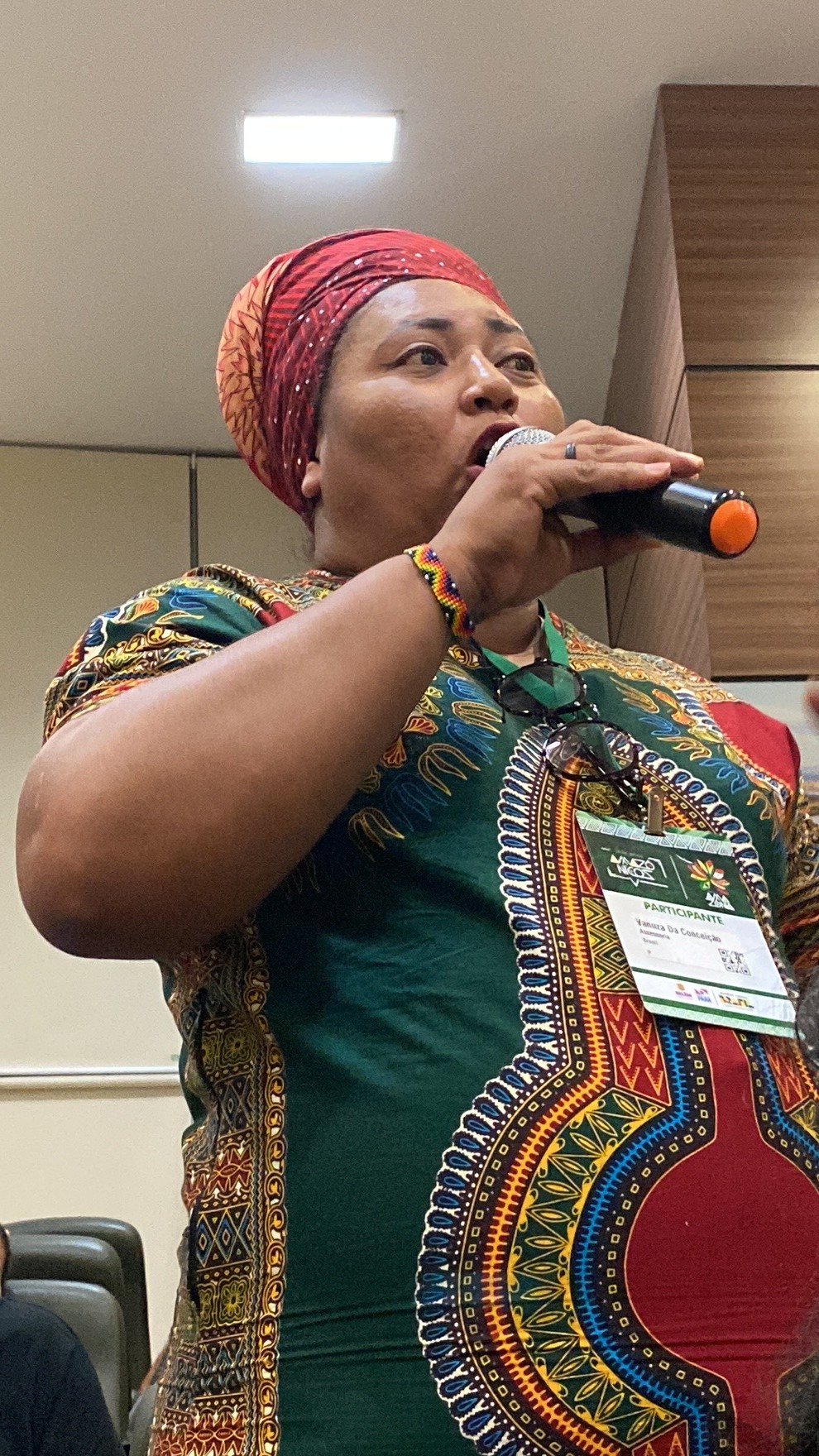
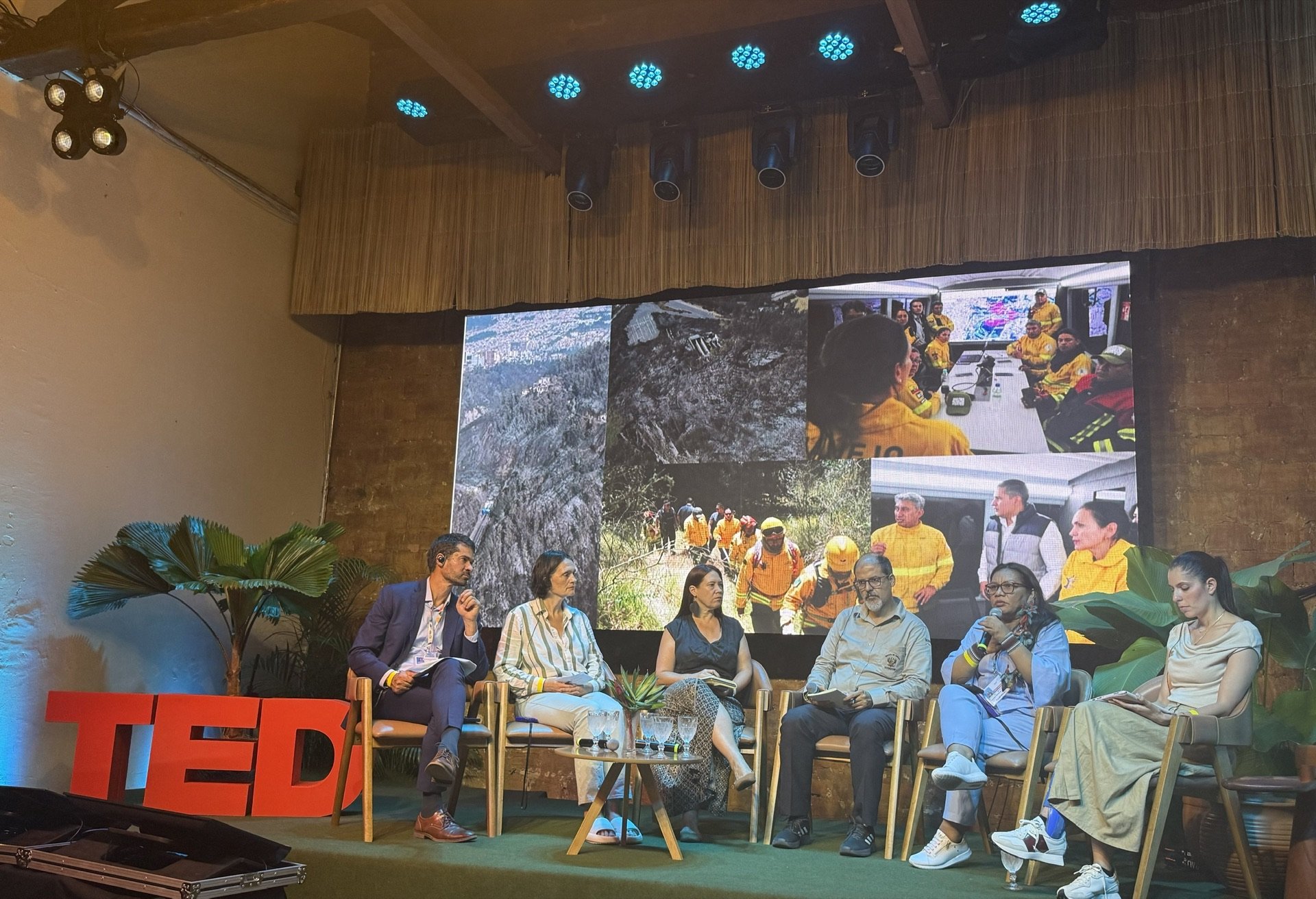
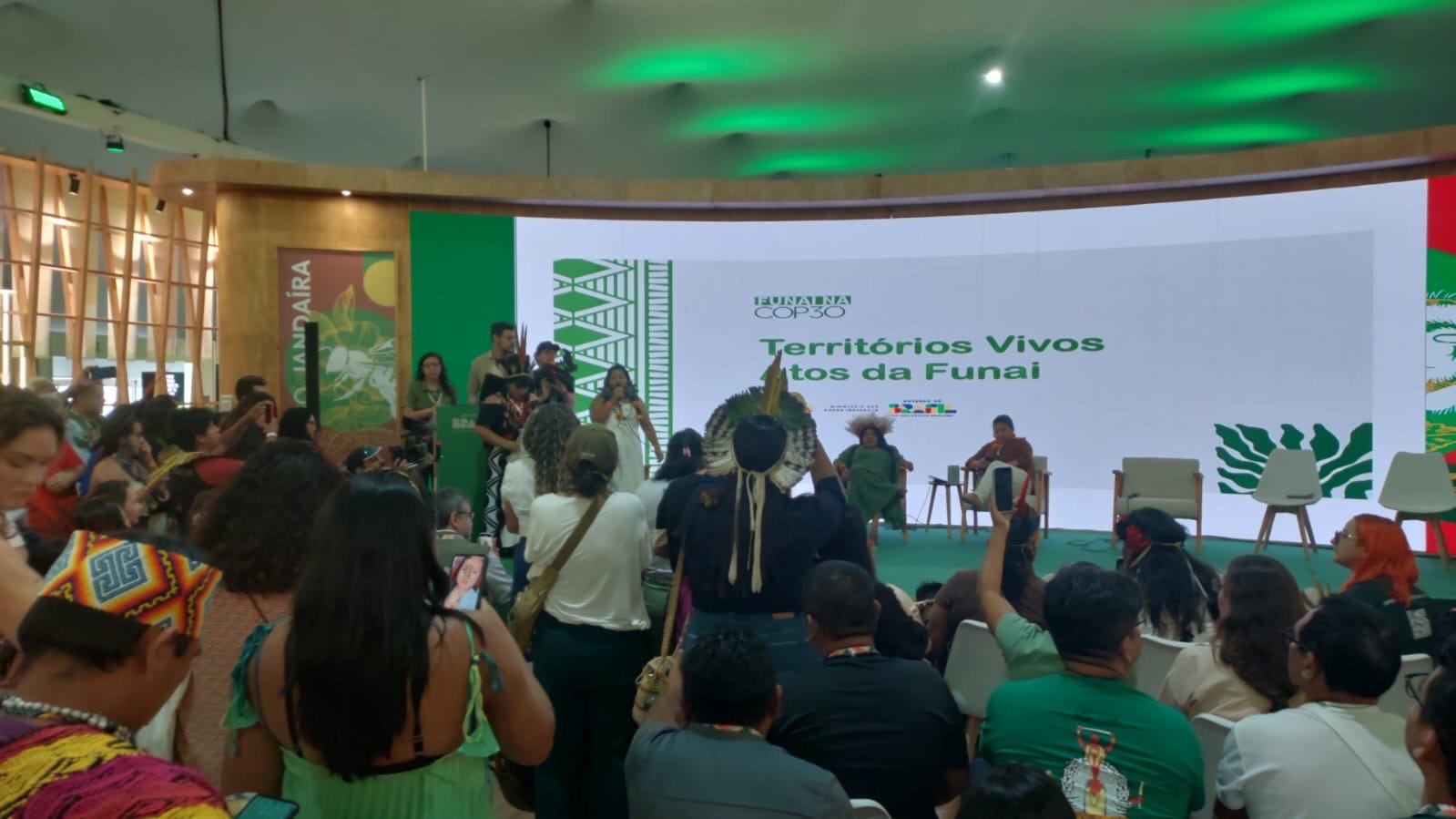
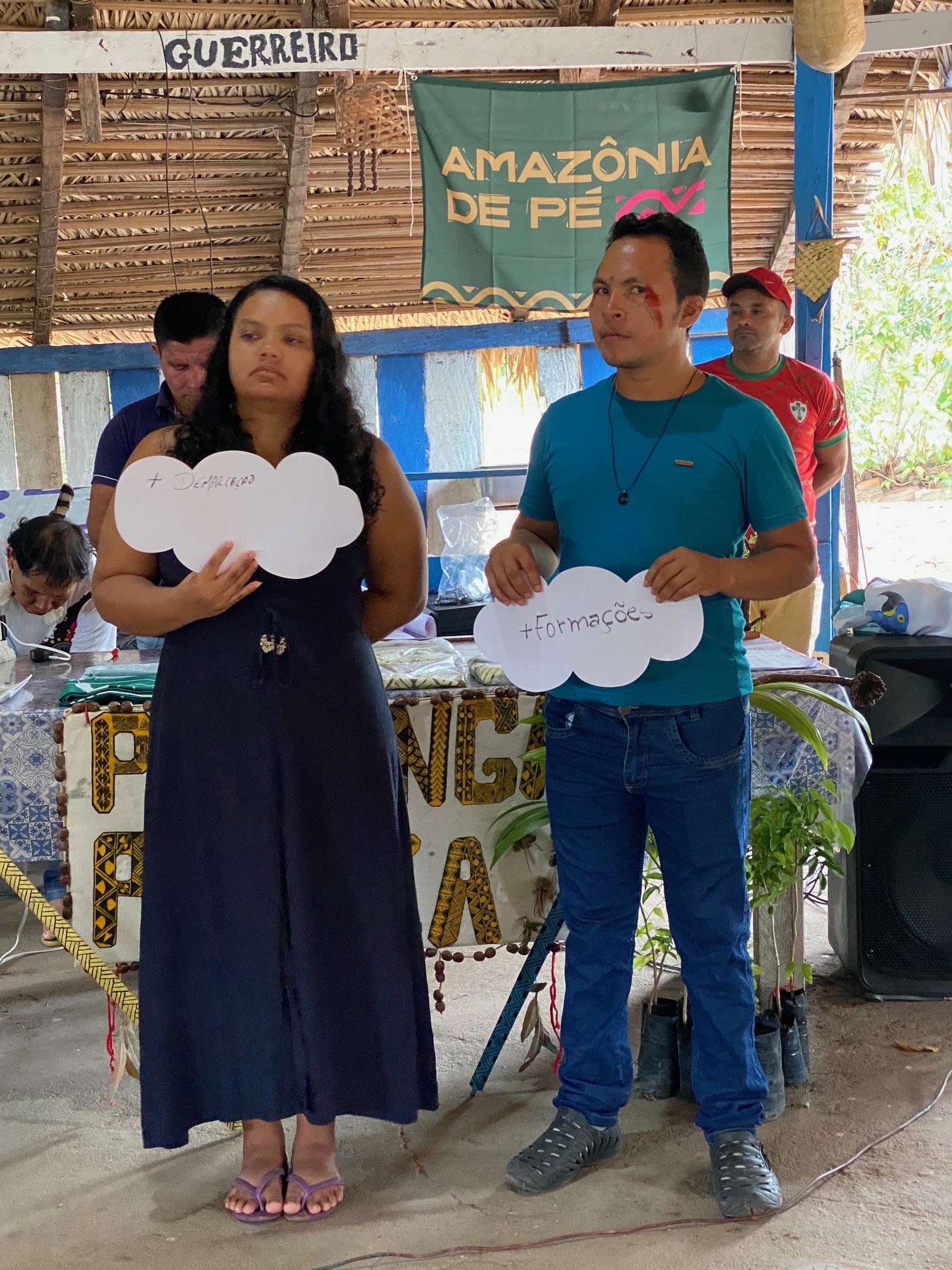
Indigenous communities across Brazil care for millions of hectares of forest and help sustain climate regulation. Through dialogue circles, courses, and workshops, Indigenous peoples and researchers from diverse fields exchange knowledge to support effective adaptation plans and informed, secure negotiations.
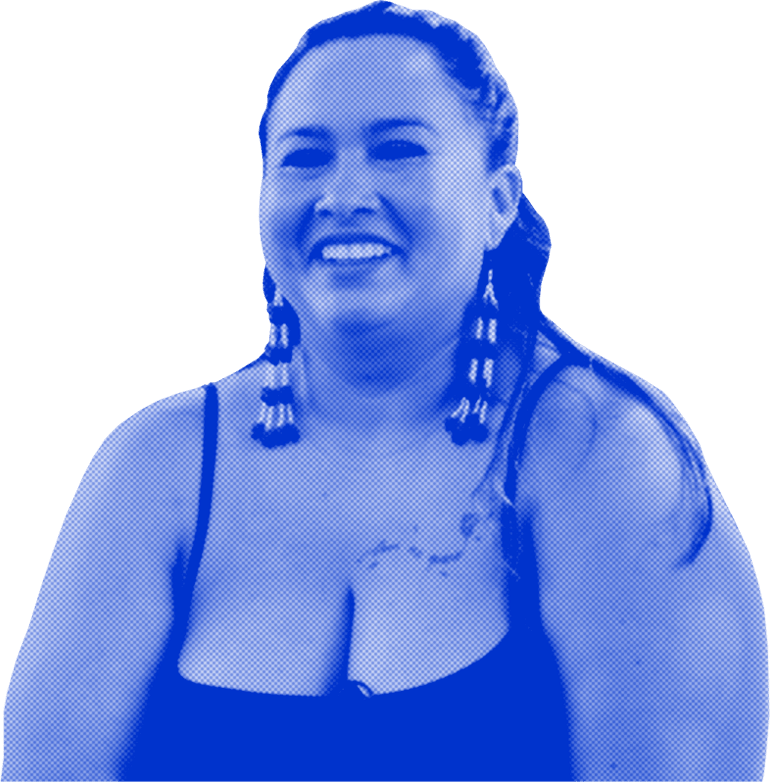
Eliane Xunakalo
"The territory is my home. It is where the land recognizes me and the river knows my spirit. Where my grandmother once stood, my mother stands today, and my daughter will stand tomorrow."

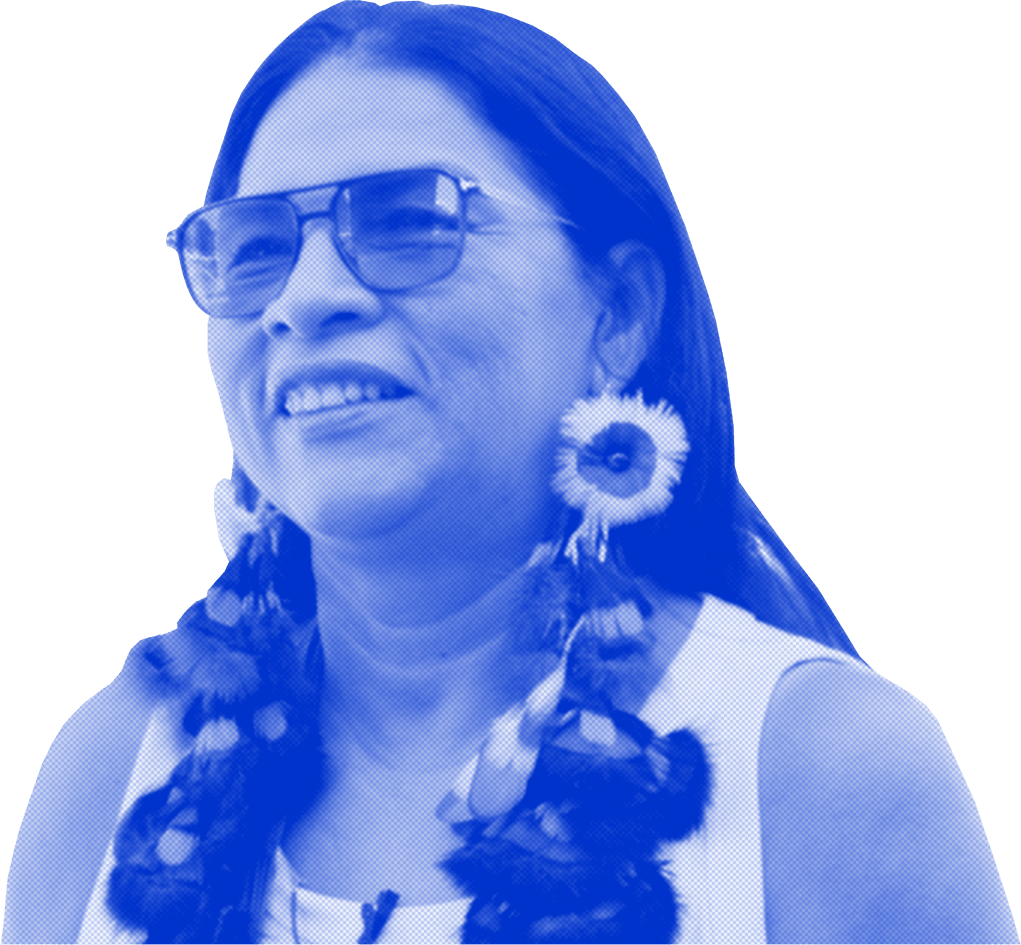
Alana Manchineri
"We have a network of organizations that are present in all nine states of the Brazilian Amazon, with strength, governance, and autonomy."
Concita Sompre
"Information is essential to ensure effective dialogue among the government, Indigenous peoples, and our Indigenous organizations."
Stories
FRANCISCA ARARA
“The companies that provide the funding and purchase carbon credits must understand that Jurisdictional REDD+ needs to be transparent. Without that commitment, the effort is in vain. They need to recognize that they are partner institutions capable of bringing benefits to the Indigenous peoples who are directly or indirectly affected by climate change. Companies must therefore act with a strong sense of responsibility and ensure that their actions are carried out transparently and ethically.”
WATCH NOW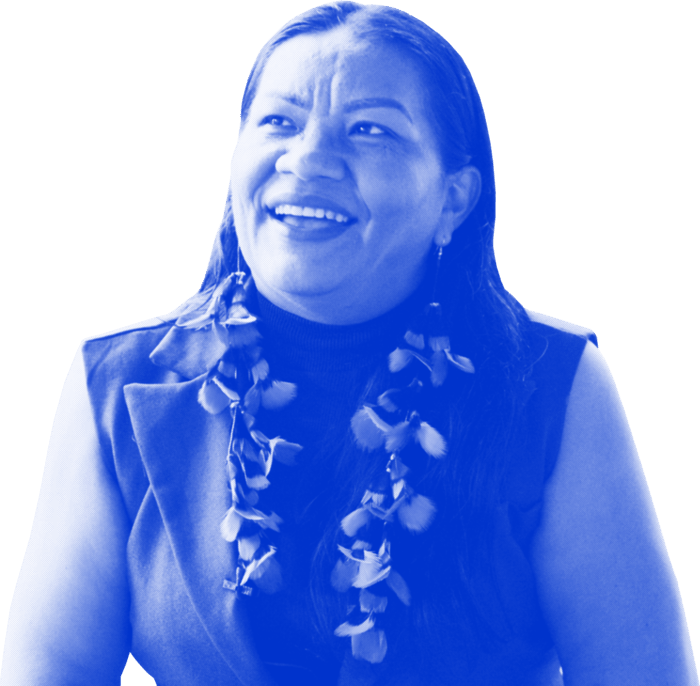
SINEIA DO VALE
“It is important to emphasize that, drawing on the wisdom of Indigenous peoples, we have never been closer to the scientists who contribute to the IPCC, renowned researchers whose work helps advance our understanding of climate change. Today, they are opening the door to dialogue with Indigenous leaders and Indigenous scientists, creating opportunities to connect Indigenous knowledge with academic science.”
WATCH NOW
Steve Schwartzman
“In every indigenous, extractivist and quilombola community there was widespread pressure from carbon project developers, often unscrupulous 'carbon cowboys', parachuting into communities and behaving in an absolutely reprehensible manner. There was a huge demand for basic information about what was going on.”
WATCH NOW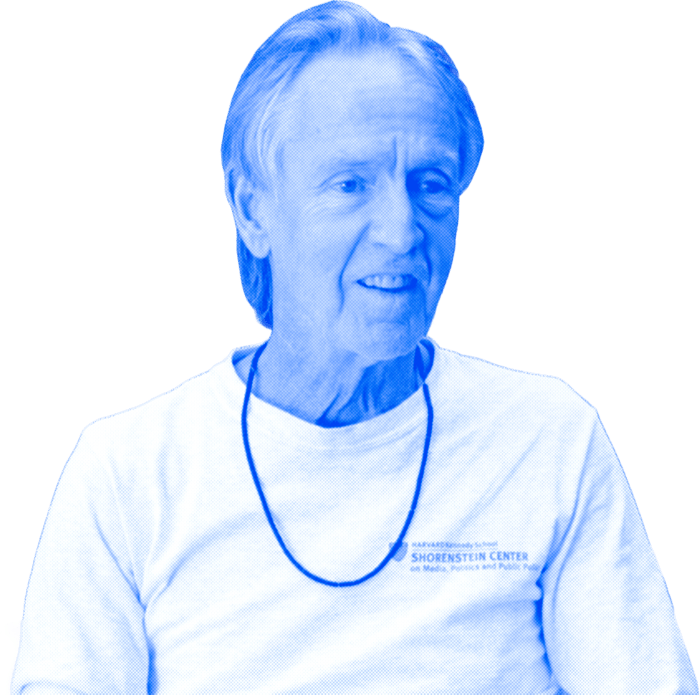
Eliane Xunakalo
“We brought in Indigenous professionals. We were speaking to our own people. It was a project to share information.”
WATCH NOW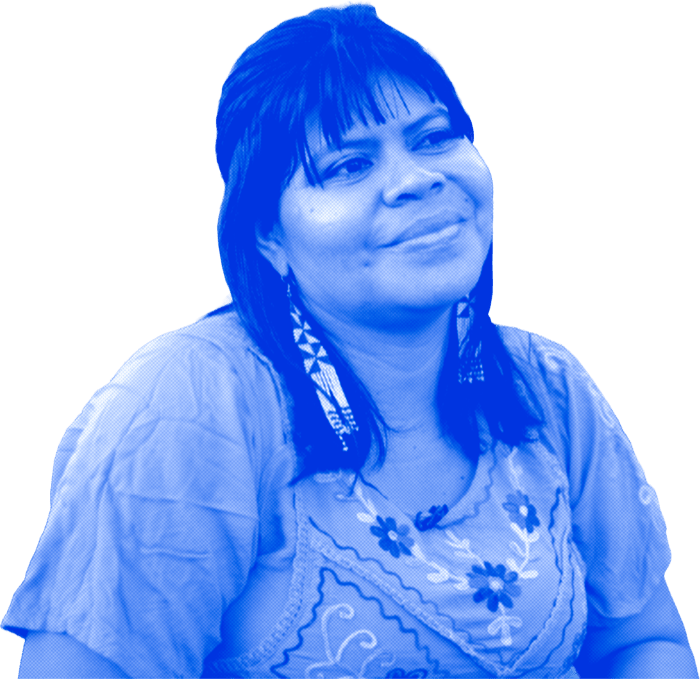
Toya Manchineri
“Companies interested in working with communities on carbon issues must reduce pollution. We cannot simply buy credits to pollute more; we must do the opposite, buy credits to improve the planet, and large companies need to change their systems for atmospheric gas emissions.”
WATCH NOW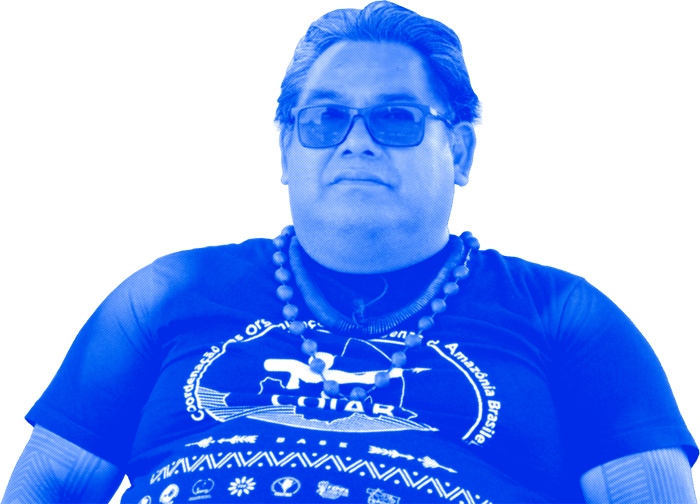
Deroni Mendes
“Free, prior, and informed consent (FPIC) is a process, not an event. It is a process that requires dialogue with the interested party, in this case, those present in the territory.”
WATCH NOW
Concita Sompré
“Companies first need to understand that we are diverse Indigenous peoples. No two are alike; one community is not the same as another, and one people is not the same as another. We have our own governance and our own ways of working. Companies need to understand that, for us, the concept of a ‘market’ does not exist; a market implies sales, business, commerce, and profit, whereas Indigenous peoples do not operate according to that logic. Companies need to understand our world.”
WATCH NOW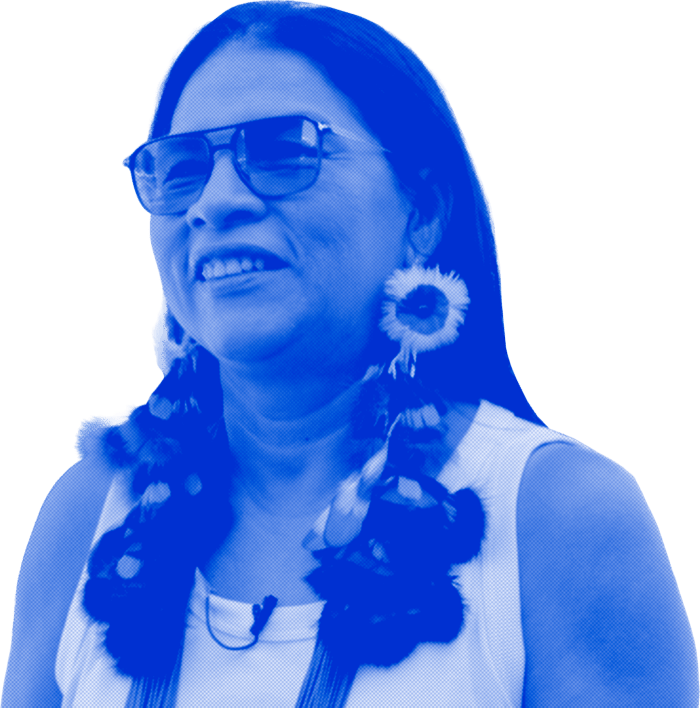
Juliana Maia
“The Amazon holds a central place and importance in the climate debate, particularly in Brazil, where we know that the contribution of forests to emissions reduction is pivotal. There is no way to address emissions reduction or tackle climate change in Brazil without discussing the Amazon, and there is no way to discuss the Amazon without bringing its Indigenous peoples and traditional communities into the conversation. We need to deepen and improve participatory mechanisms.”
WATCH NOW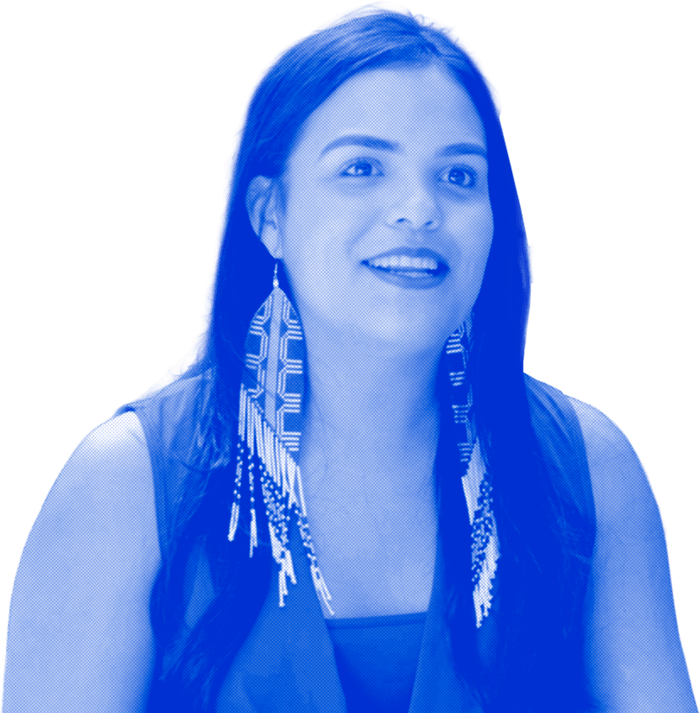
Luene Karipuna
“It is important to understand how we, as Indigenous peoples, can bring our perspective on carbon and our concerns regarding carbon credits and state-level programs to the table; this has enabled us not only to refine the debate but, above all, to secure spaces and decision-making roles for Indigenous peoples.”
WATCH NOW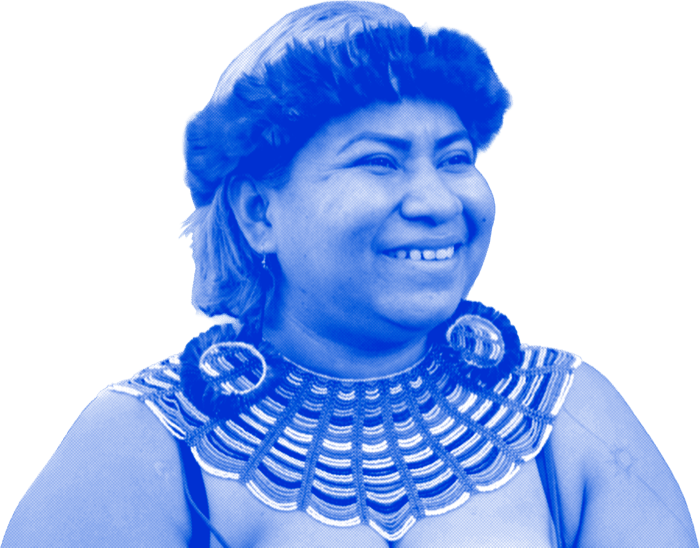
Ciro Brito
“Climate change goes far beyond carbon. It is important for decision-makers to align with this perspective so that we can make better decisions. Community participation is important because it broadens the decision-makers' view and, above all, enables these communities to become direct players in the decision-making ecosystem.”
WATCH NOW
Rodrigo Junqueira
“The timeframe of the white world, the pace of negotiations, often differs from the timeframe of communities, from their way of viewing the world. The ability to respect others' timing is essential if we are to find common ground in these understandings. When we rush these processes or try to skip steps, the results have been very poor - if not disastrous. I know of no instance where things turned out well when we acted hastily, failing to respect the natural pace of events, of communities, and of the concept of ‘bem-viver’ - living well.”
WATCH NOW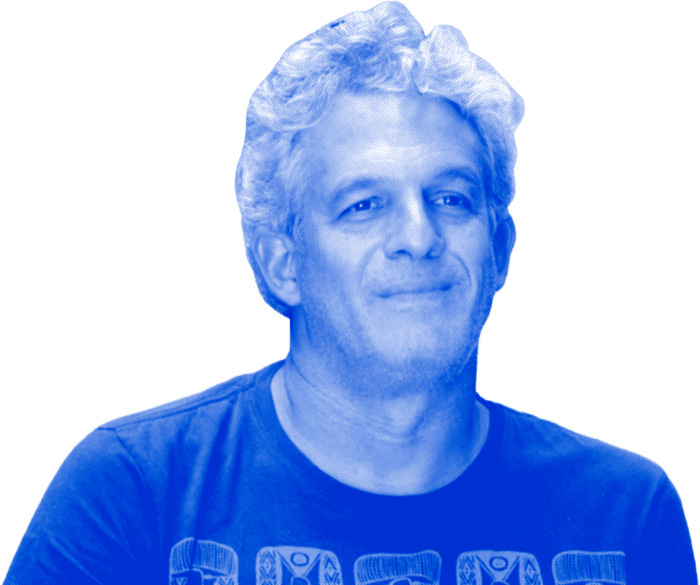
Alice Thualt
“Companies purchasing carbon credits from tropical forests need to understand that there is a risk involved, one that must be borne by the carbon buyers rather than shifted onto local populations. We need to ensure that governance works and that deforestation decreases. Local populations cannot be the ones to shoulder the risk associated with this transformation.”
WATCH NOW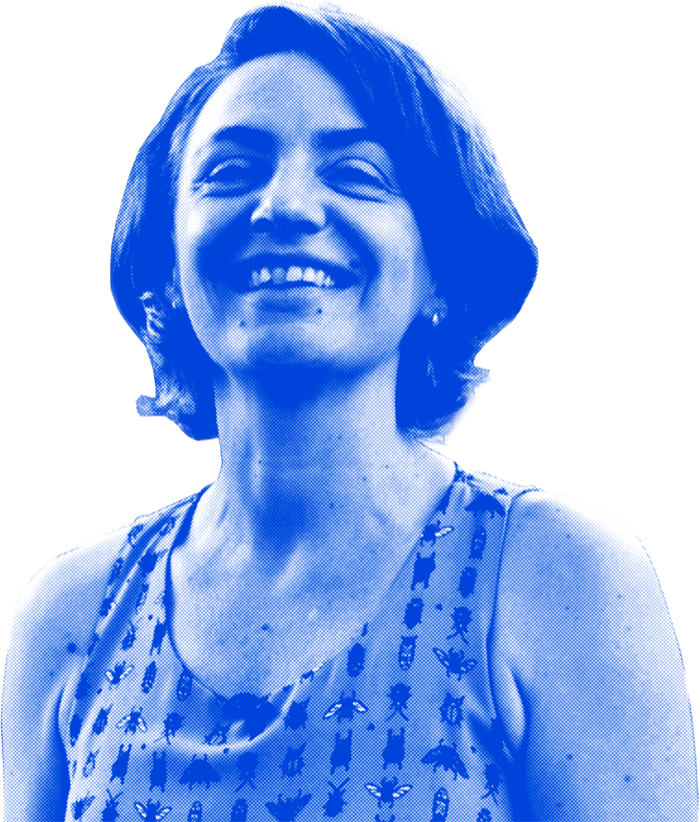
Partners
Shared Knowledge
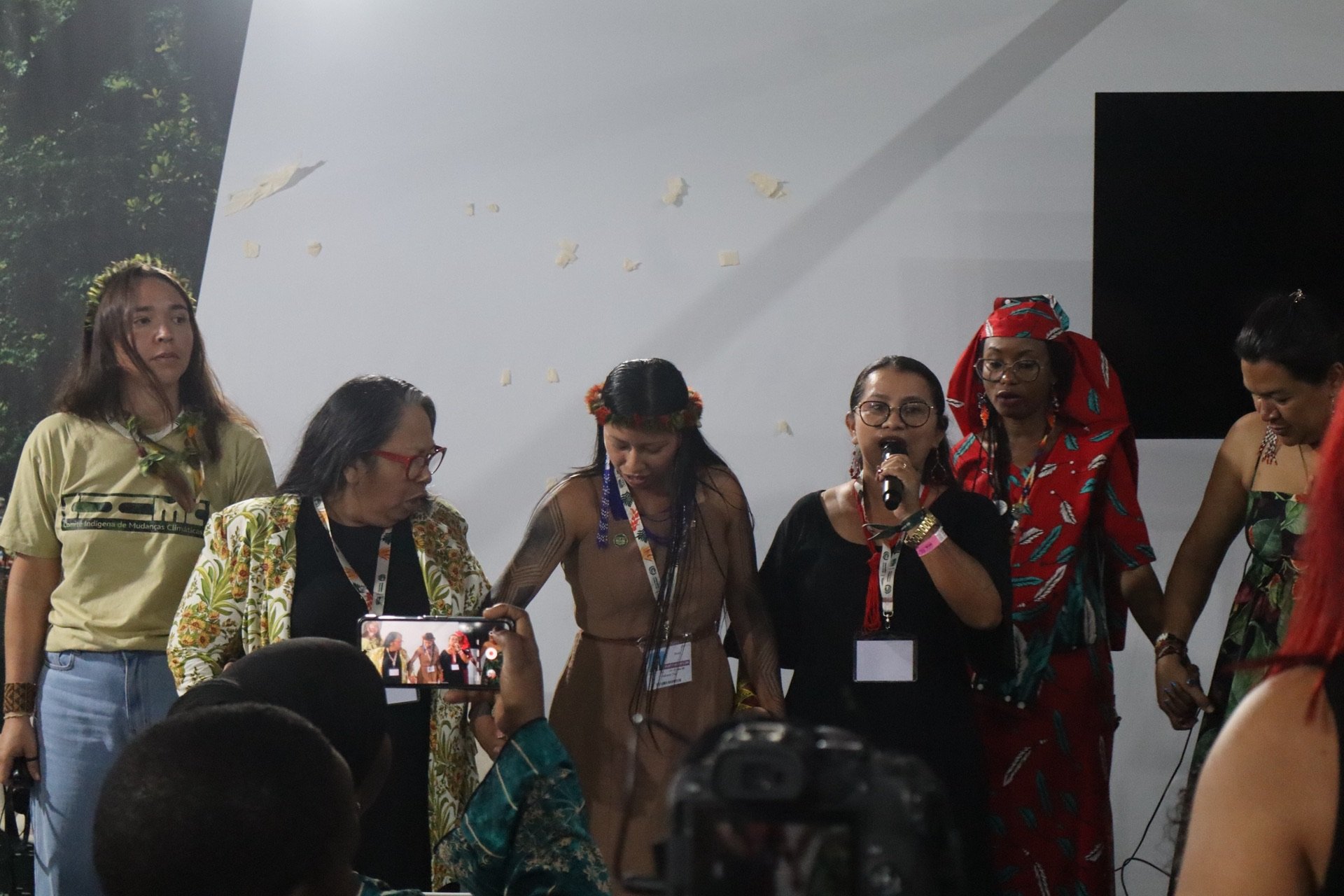
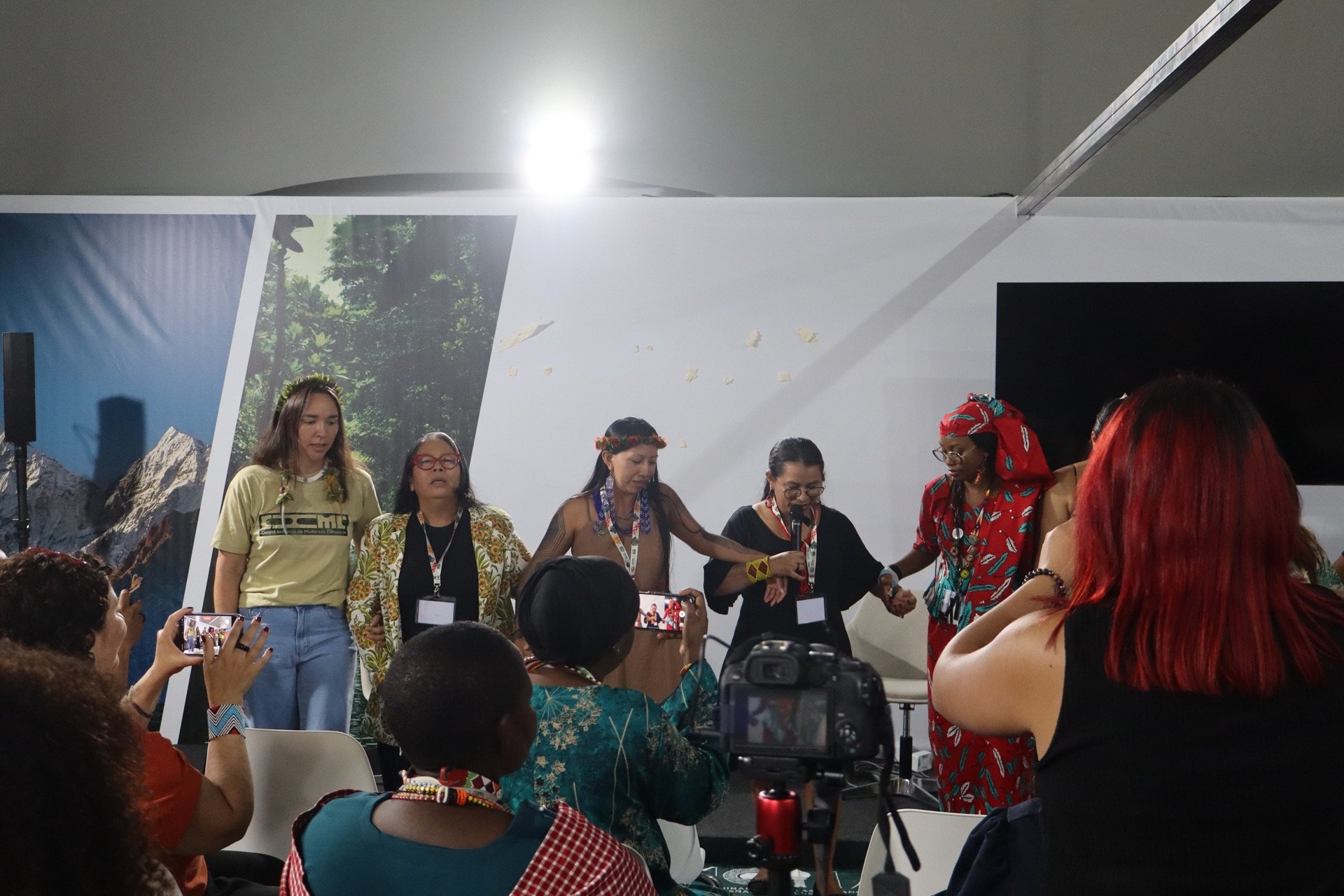
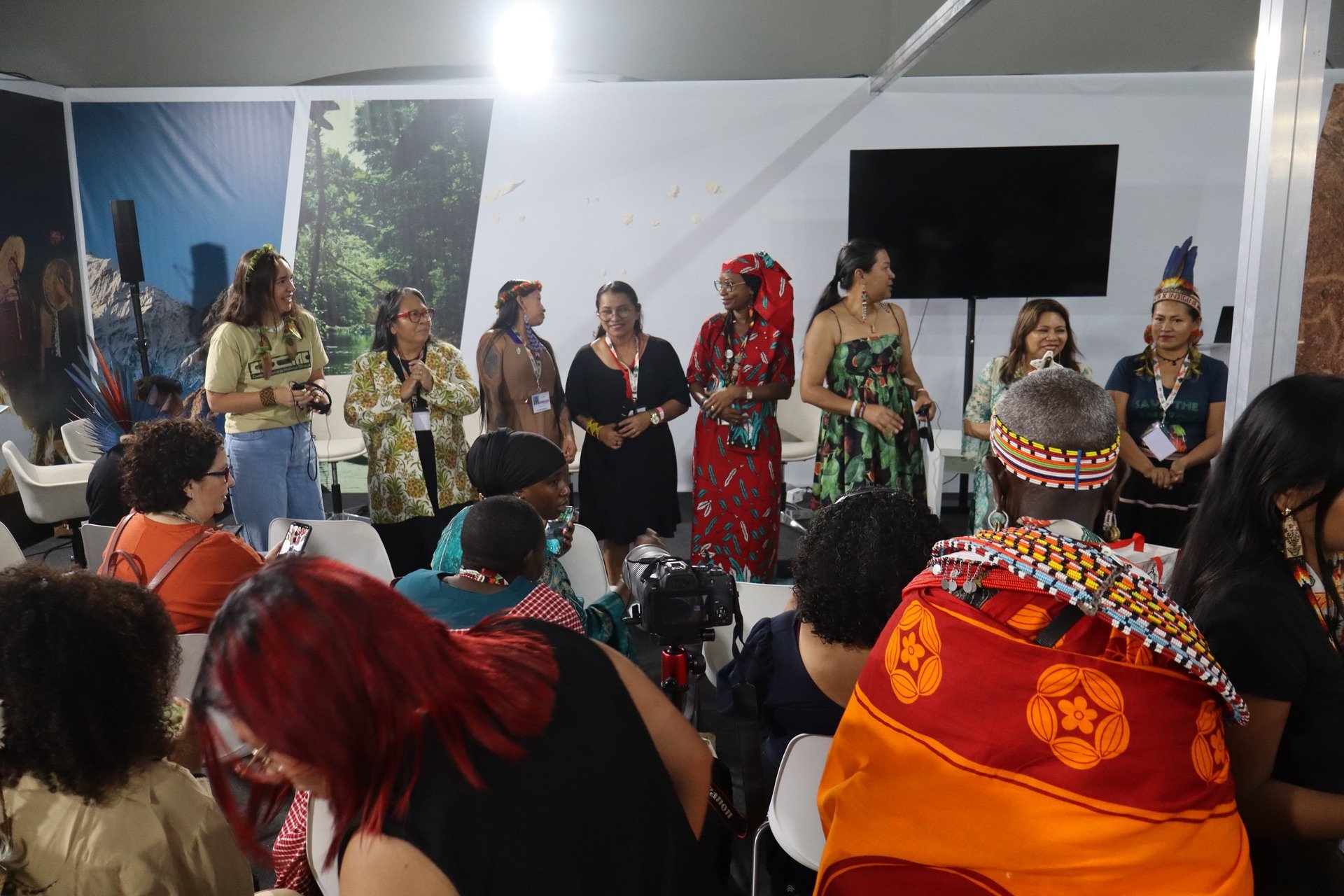
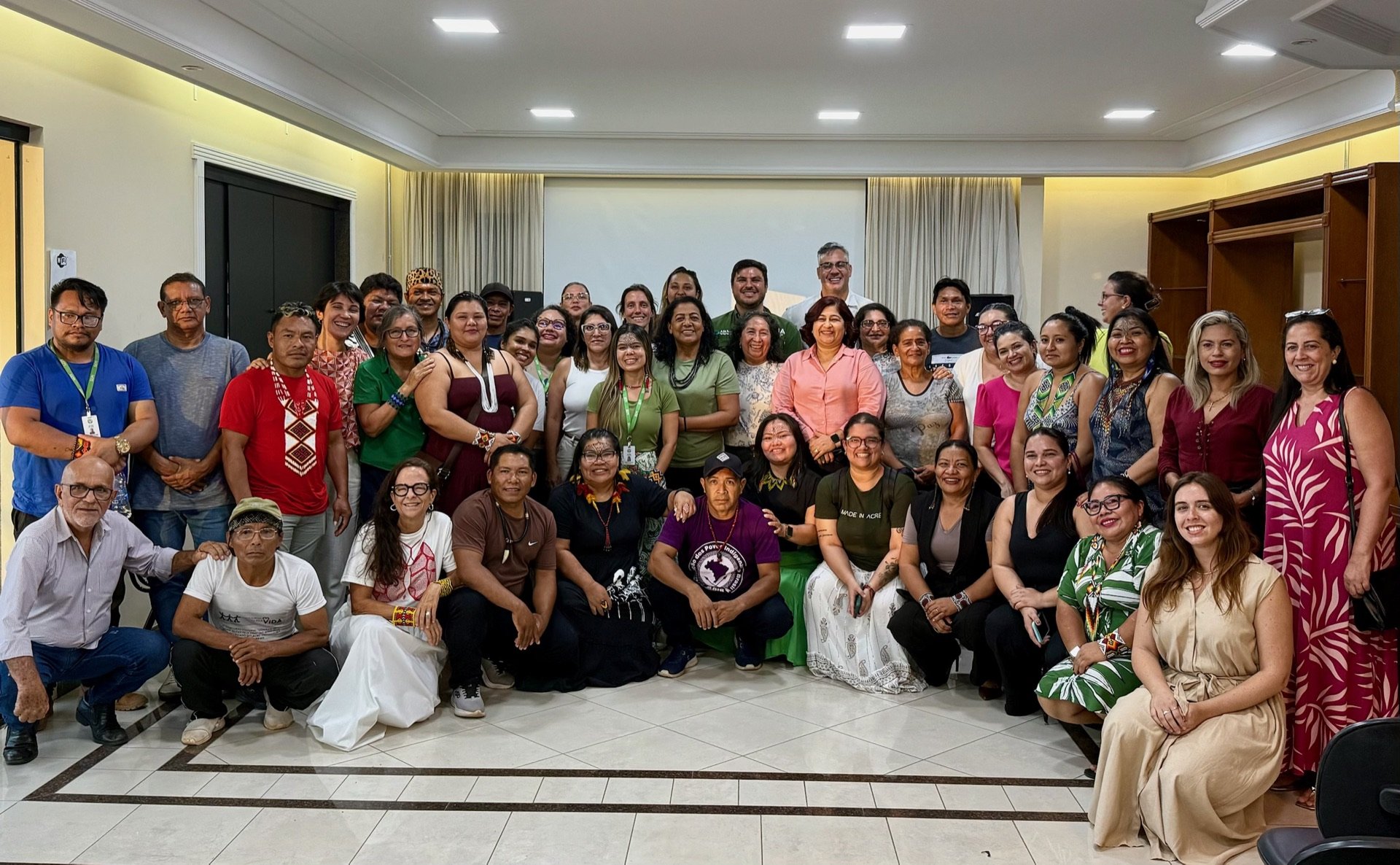
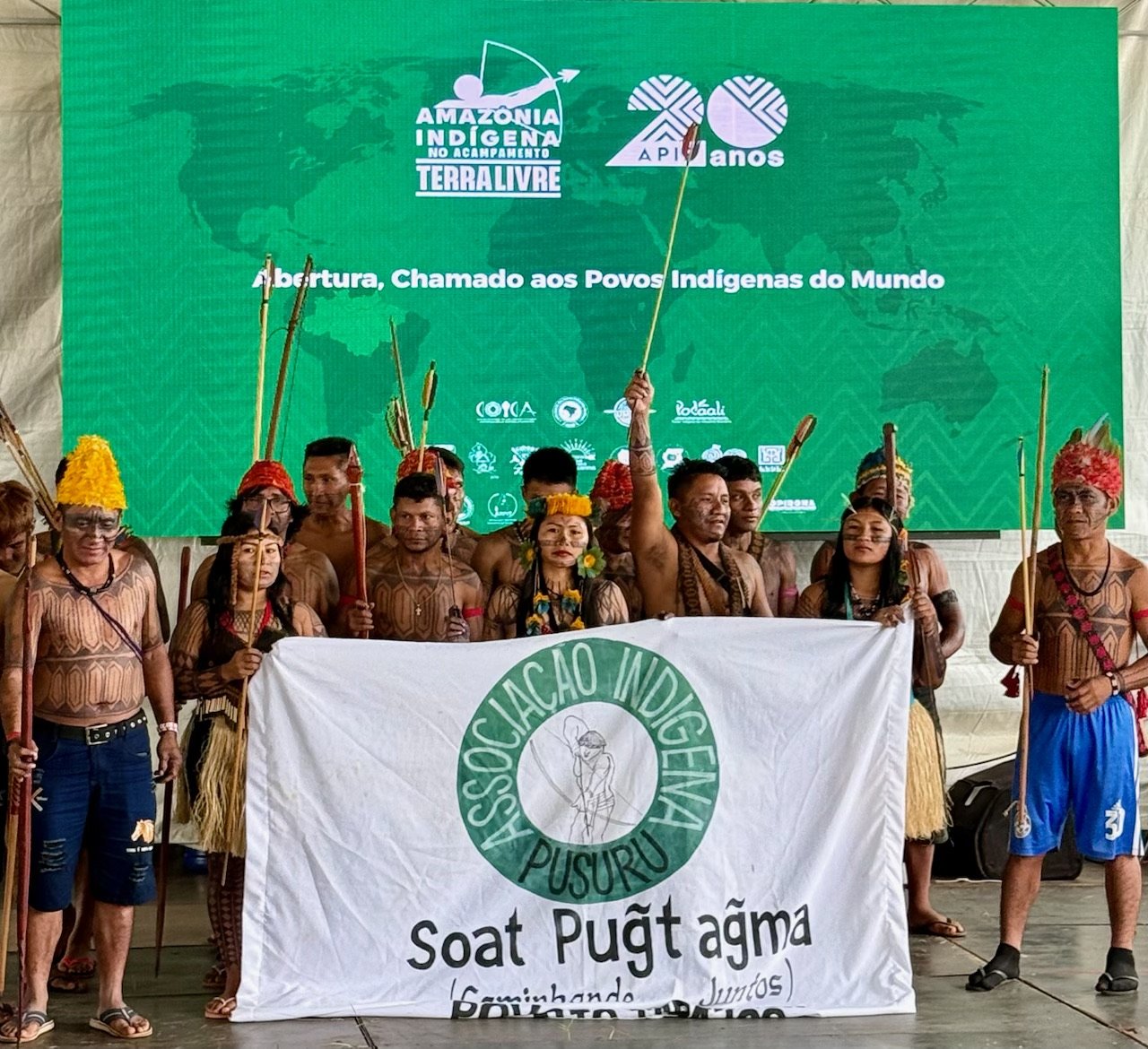
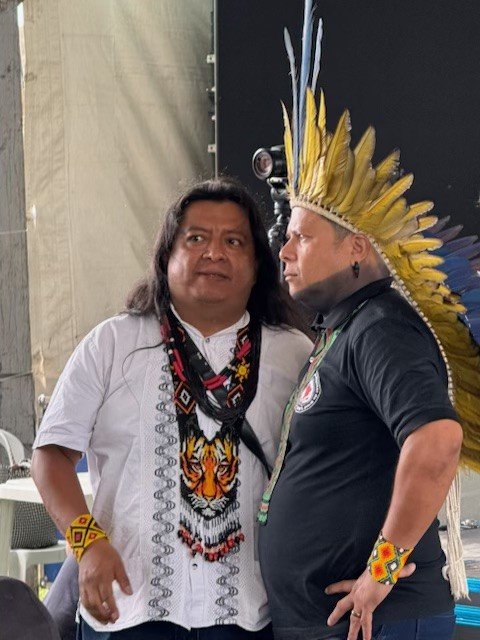
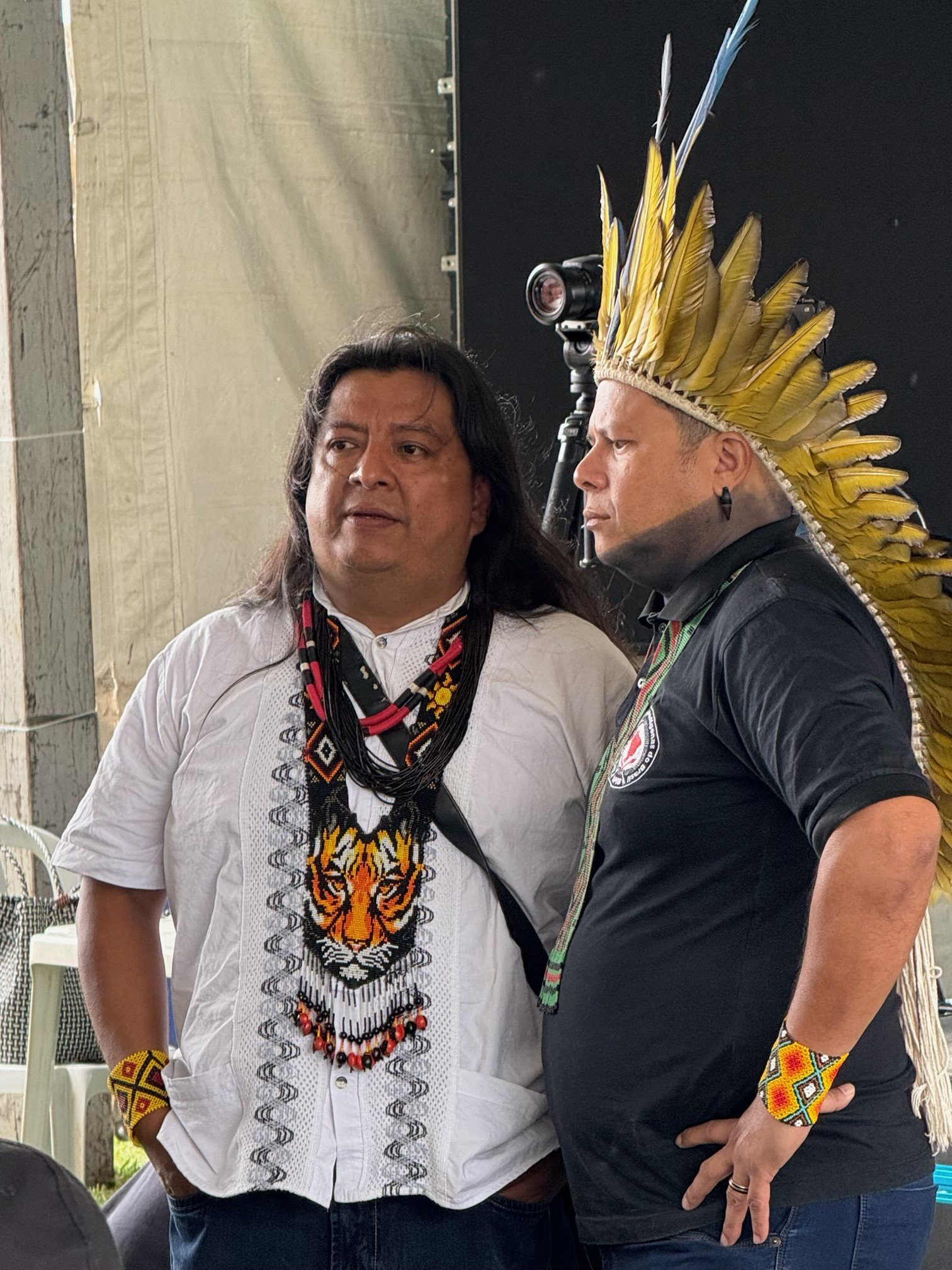
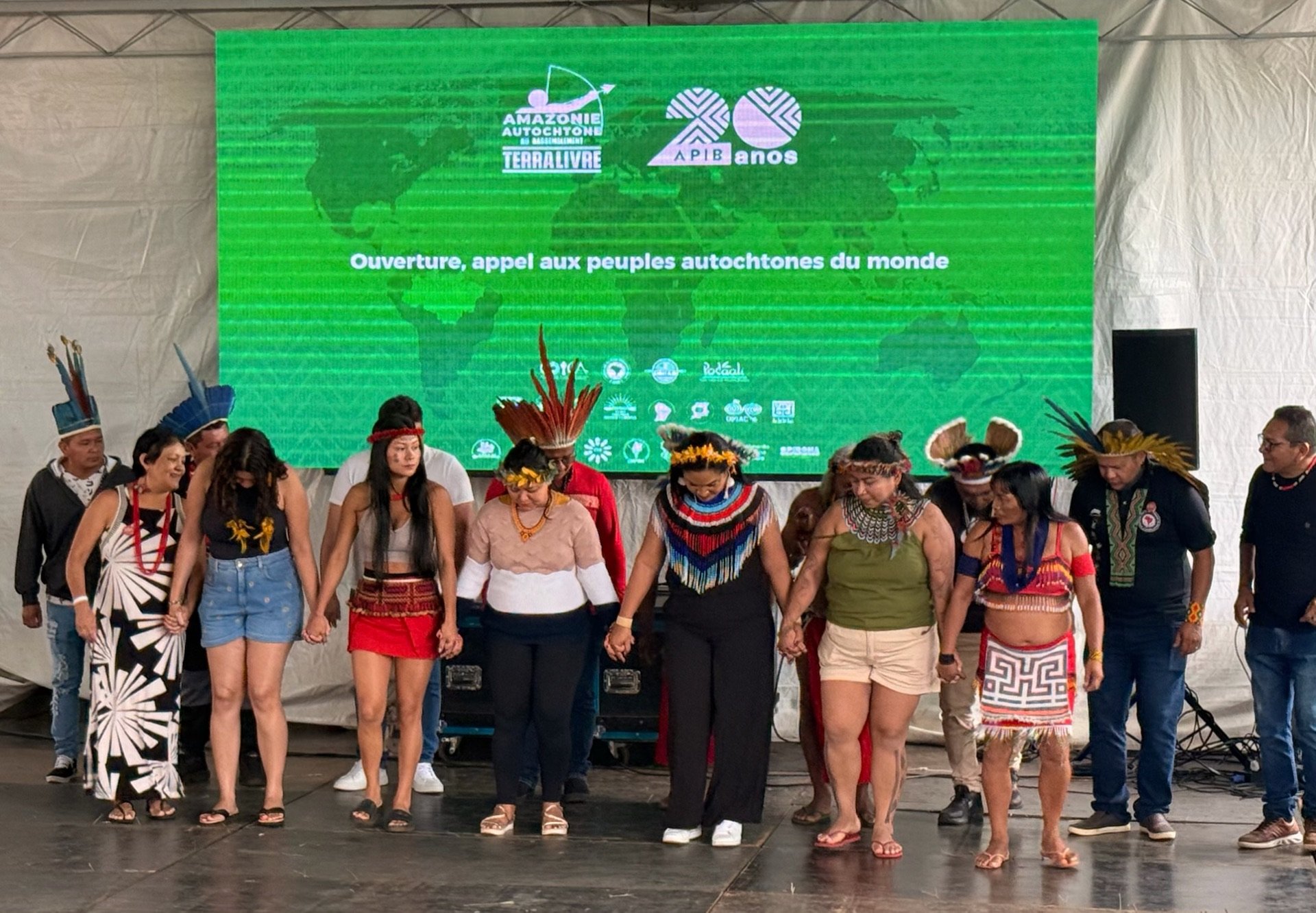
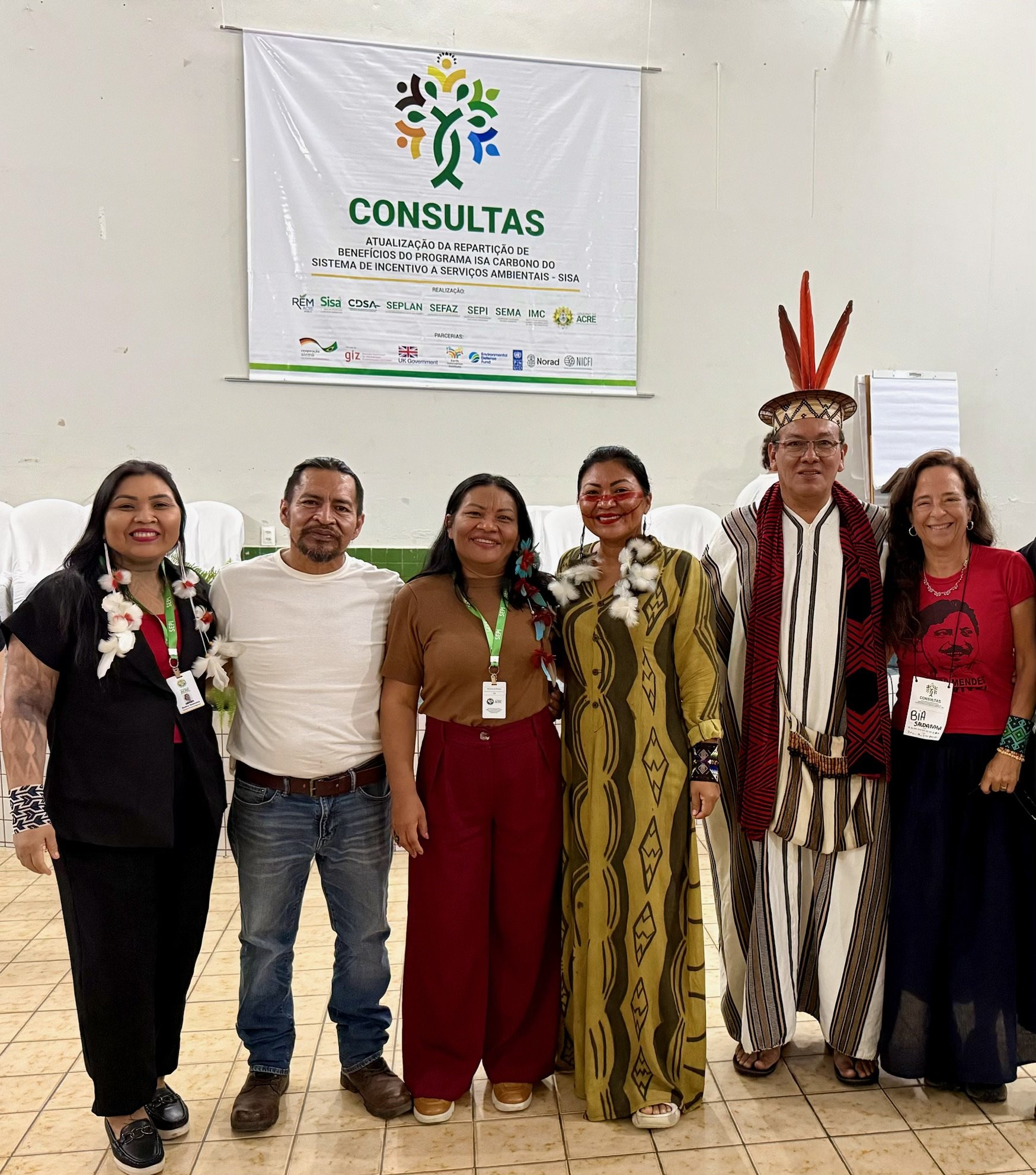
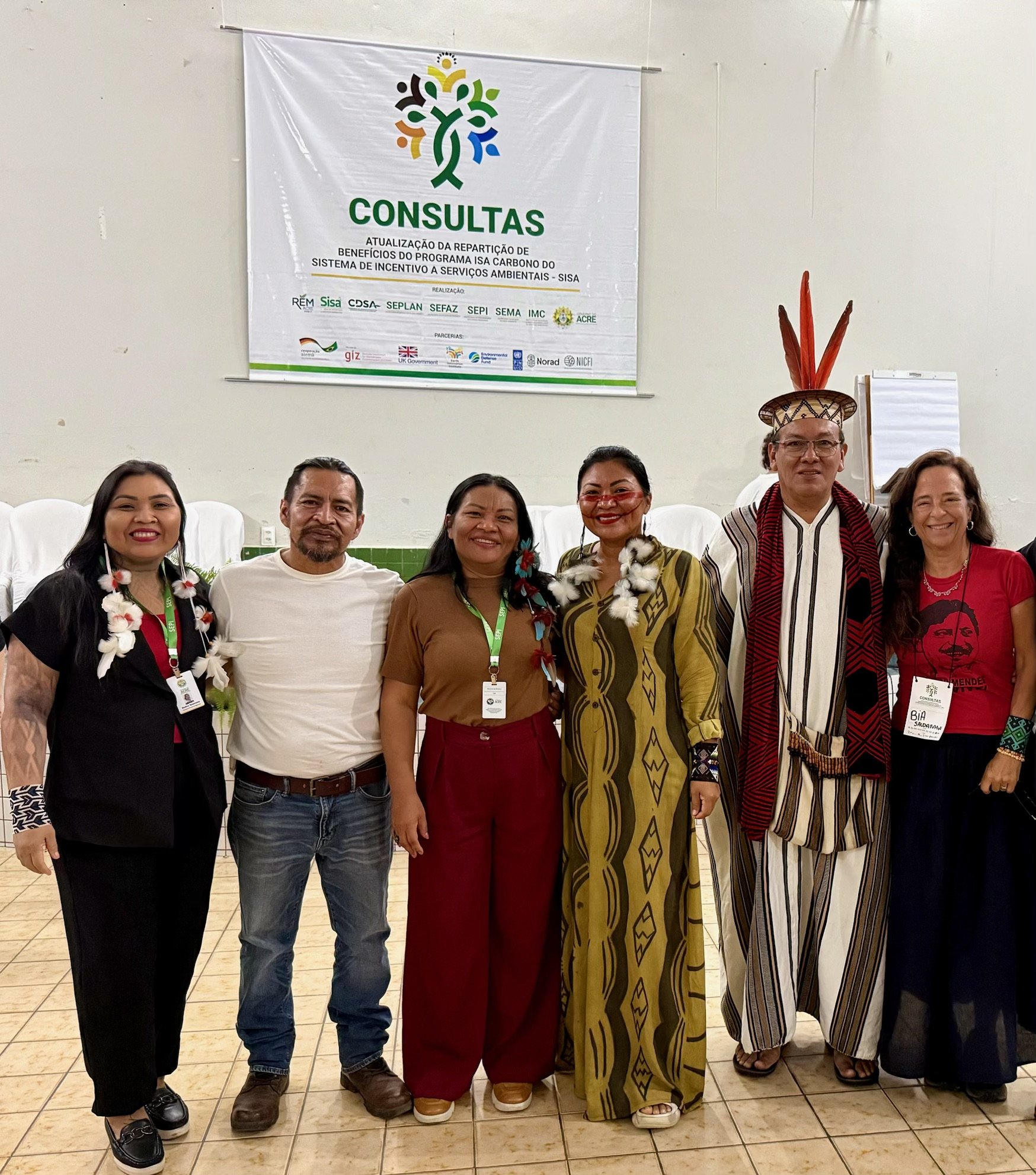
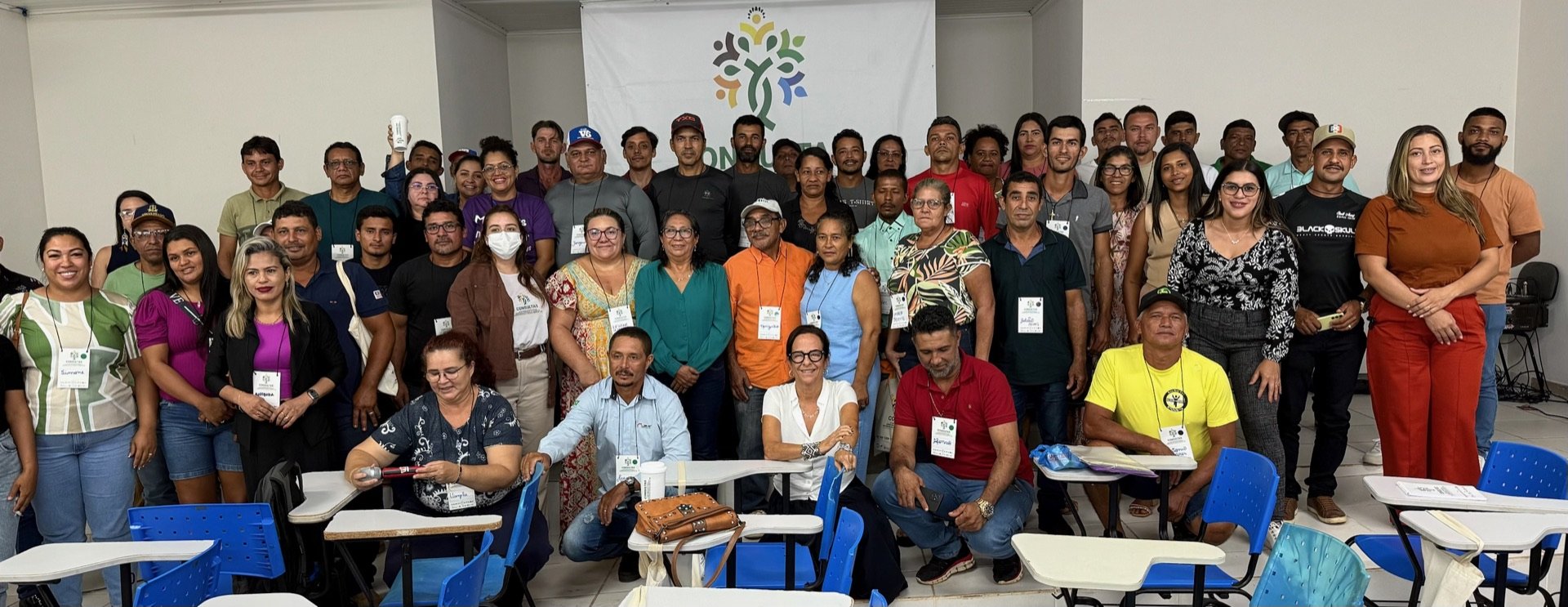
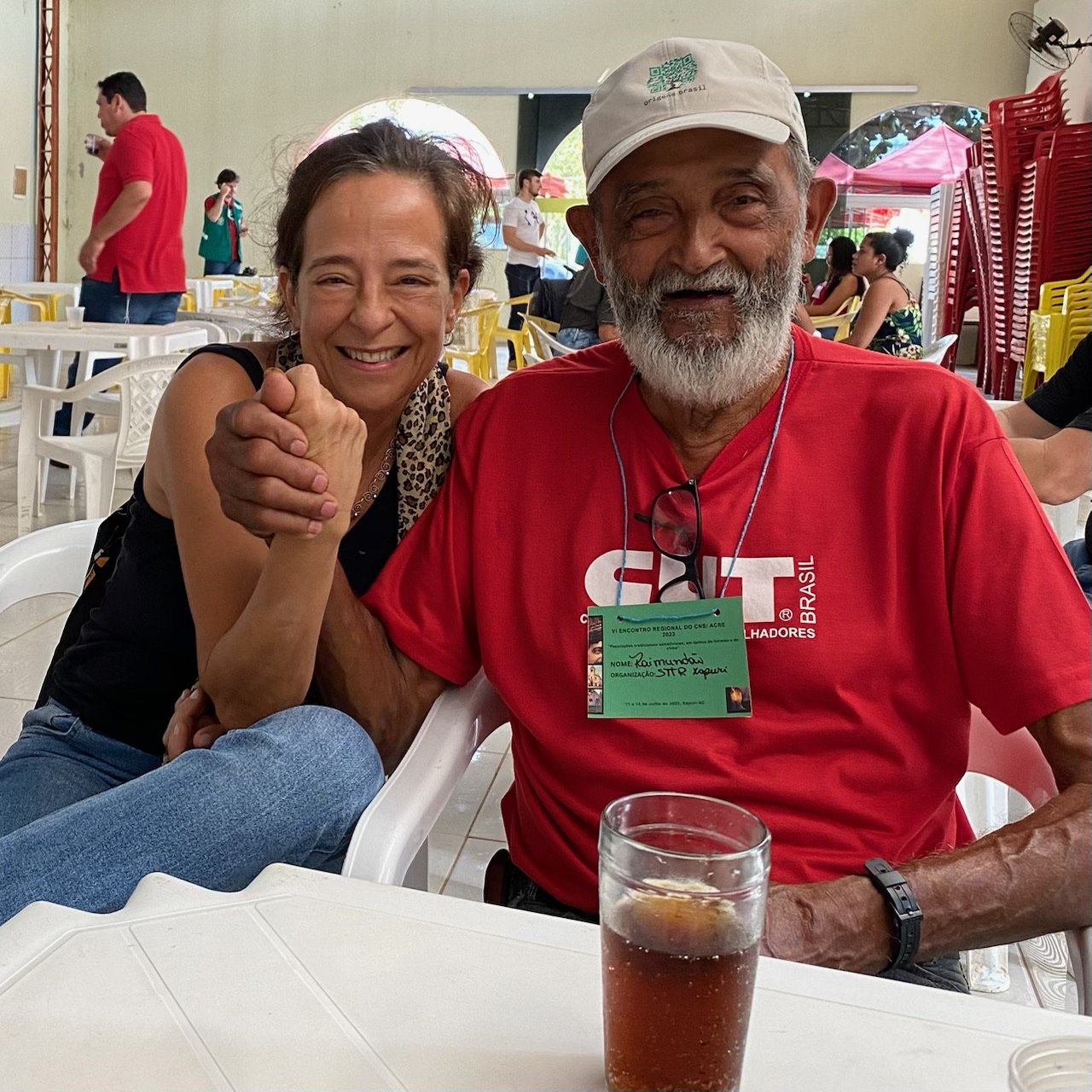
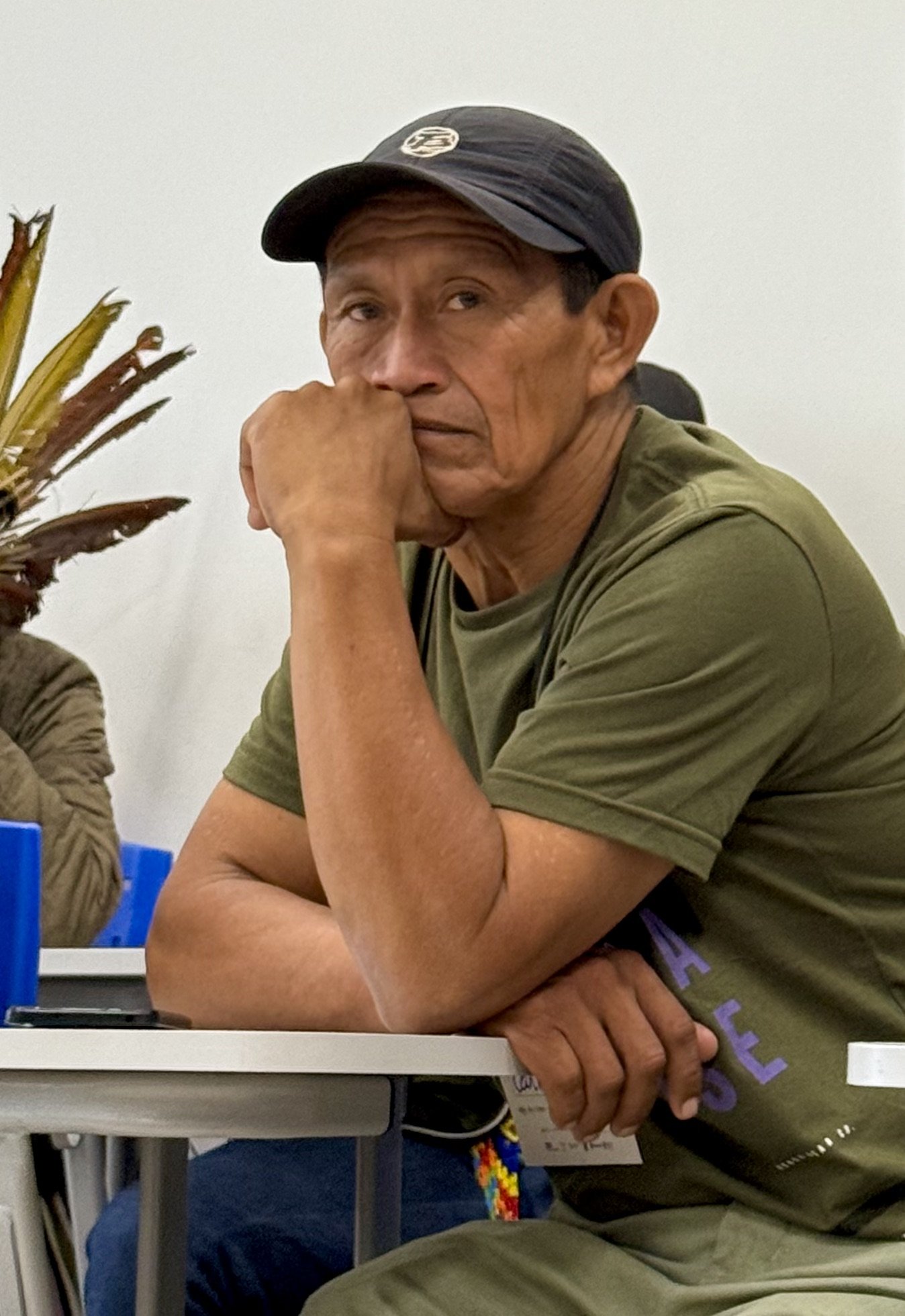
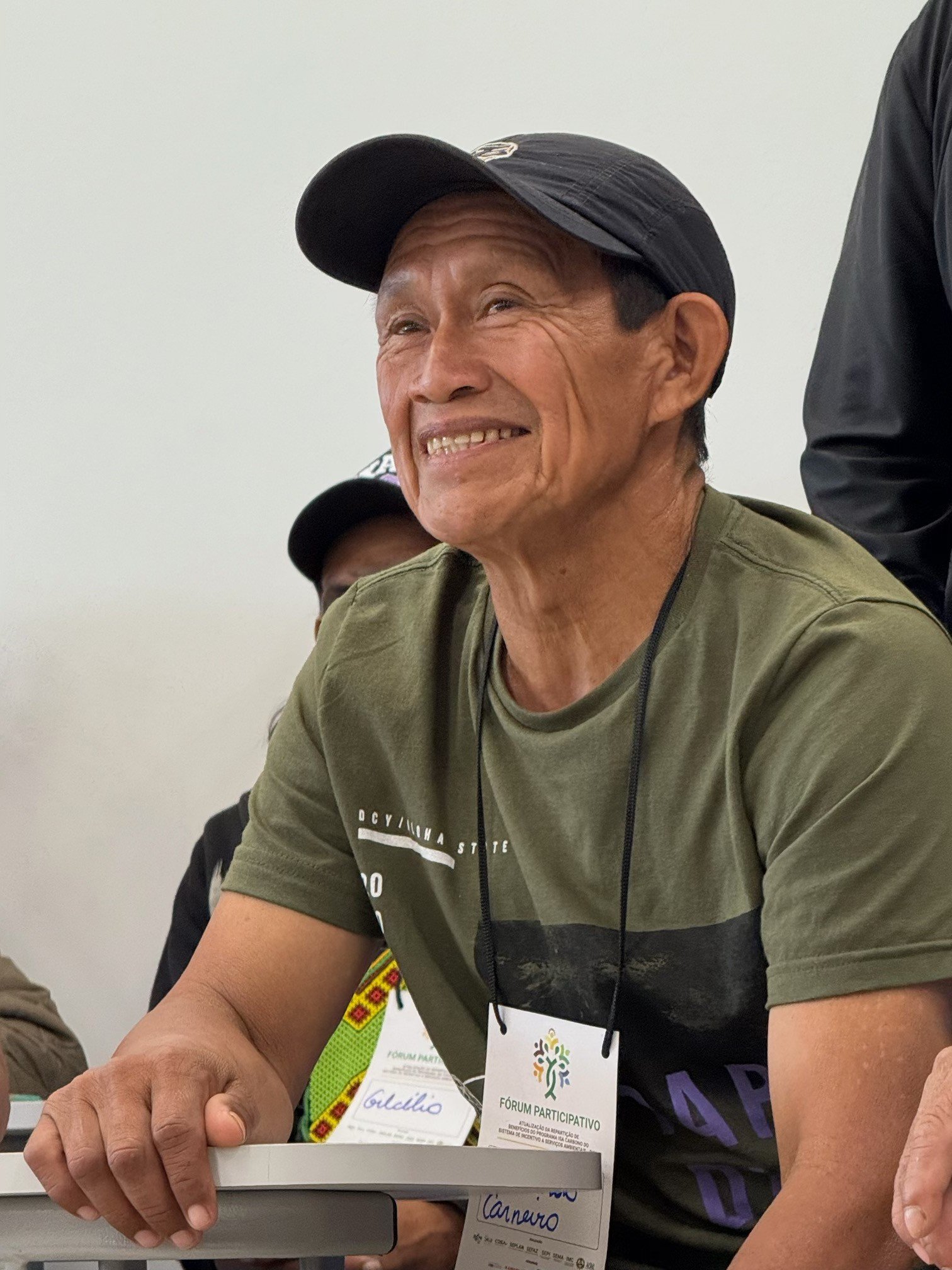
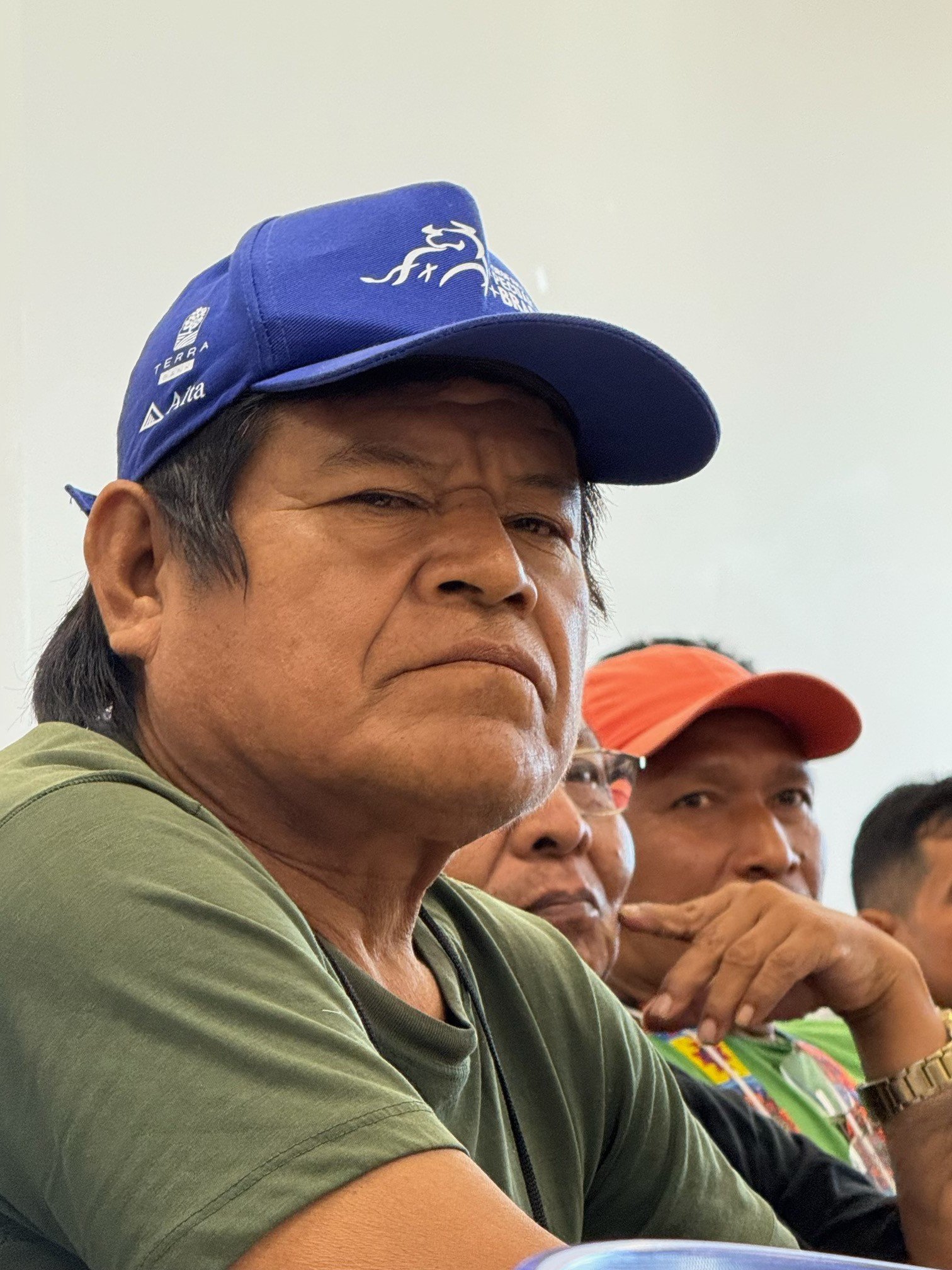
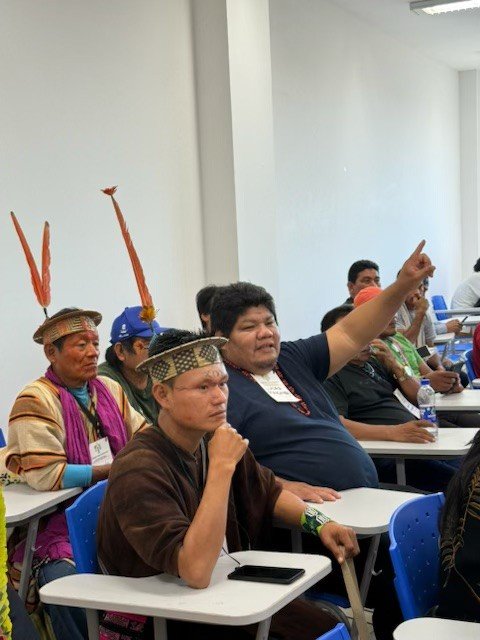
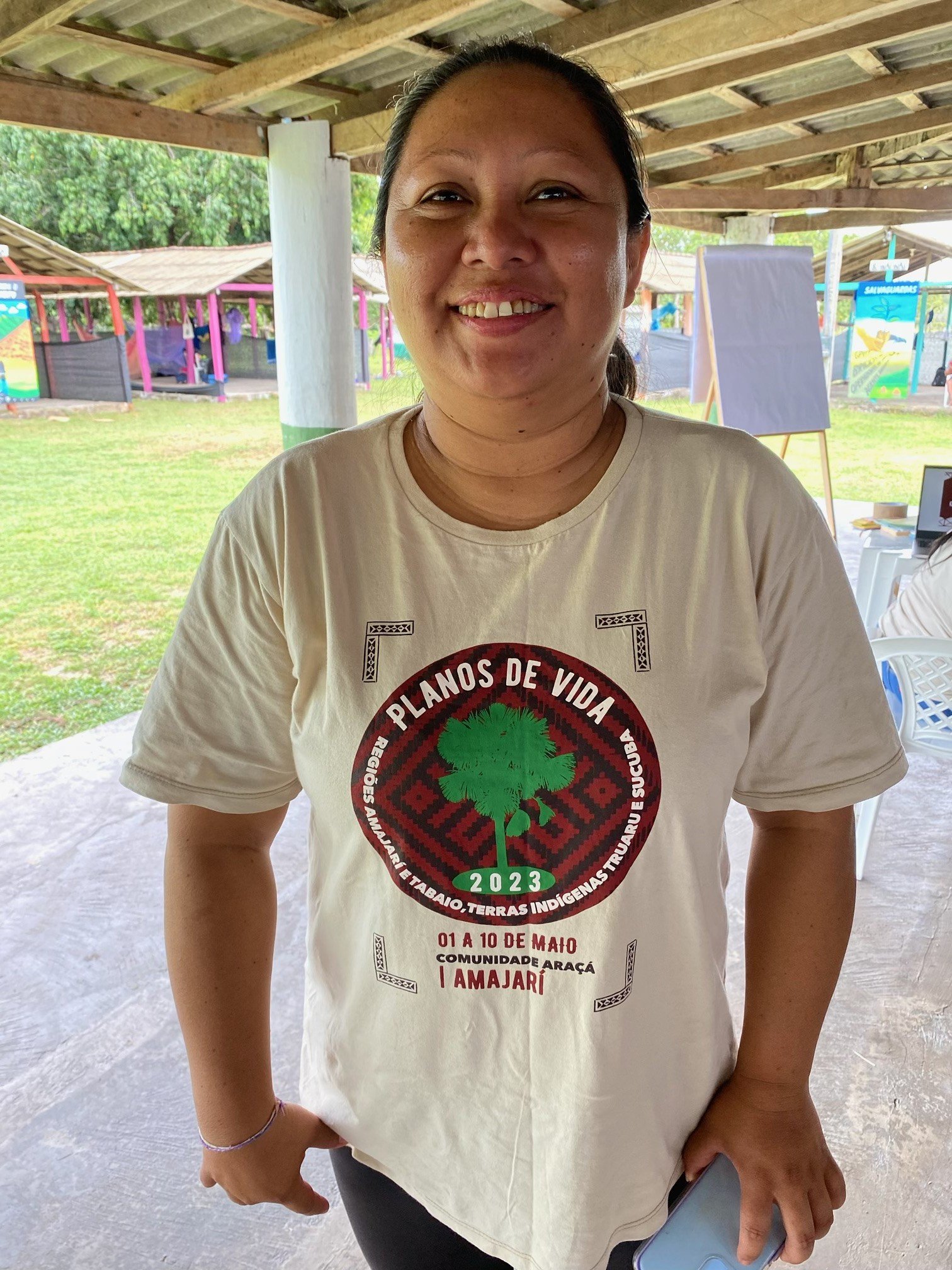
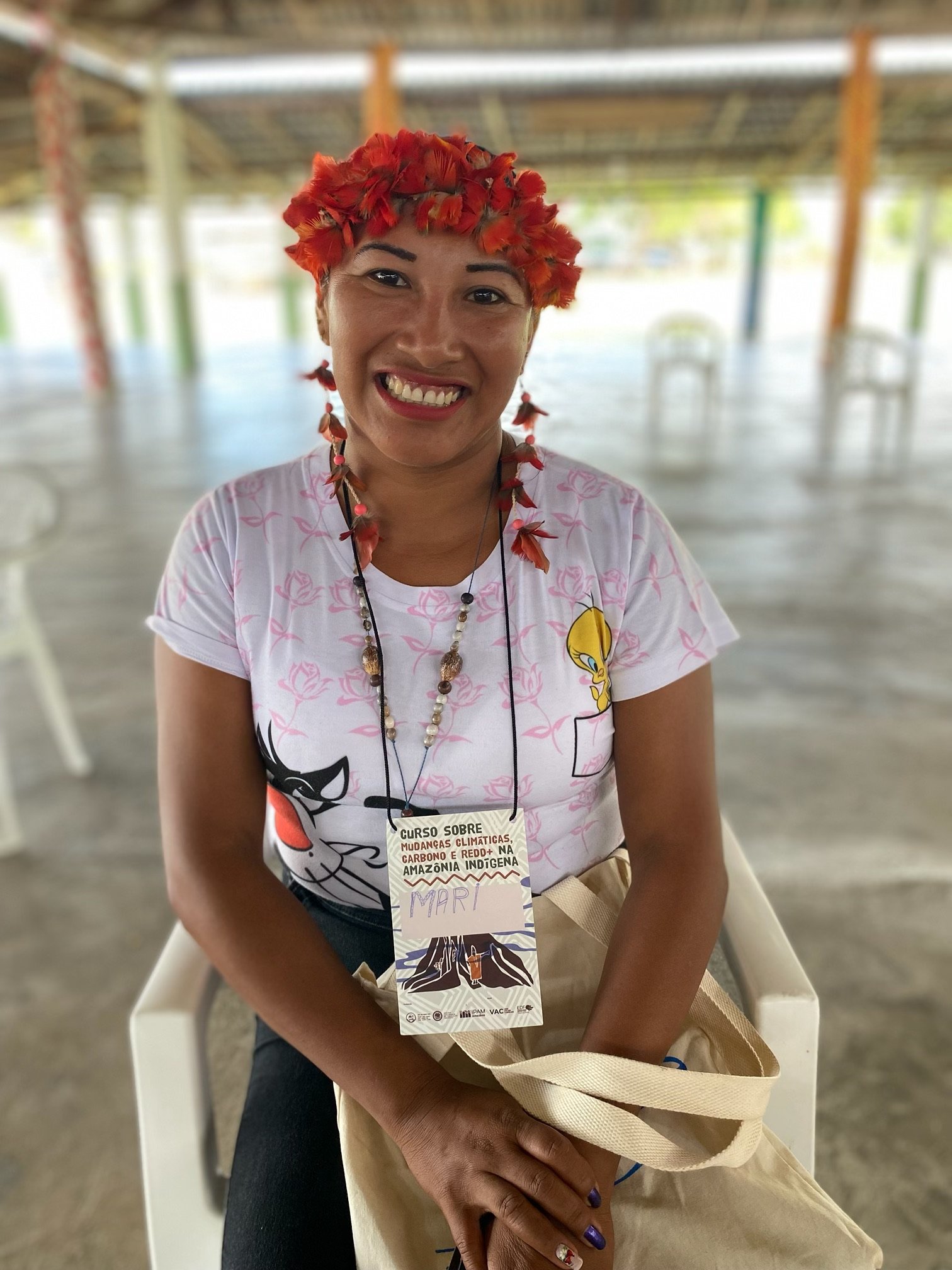
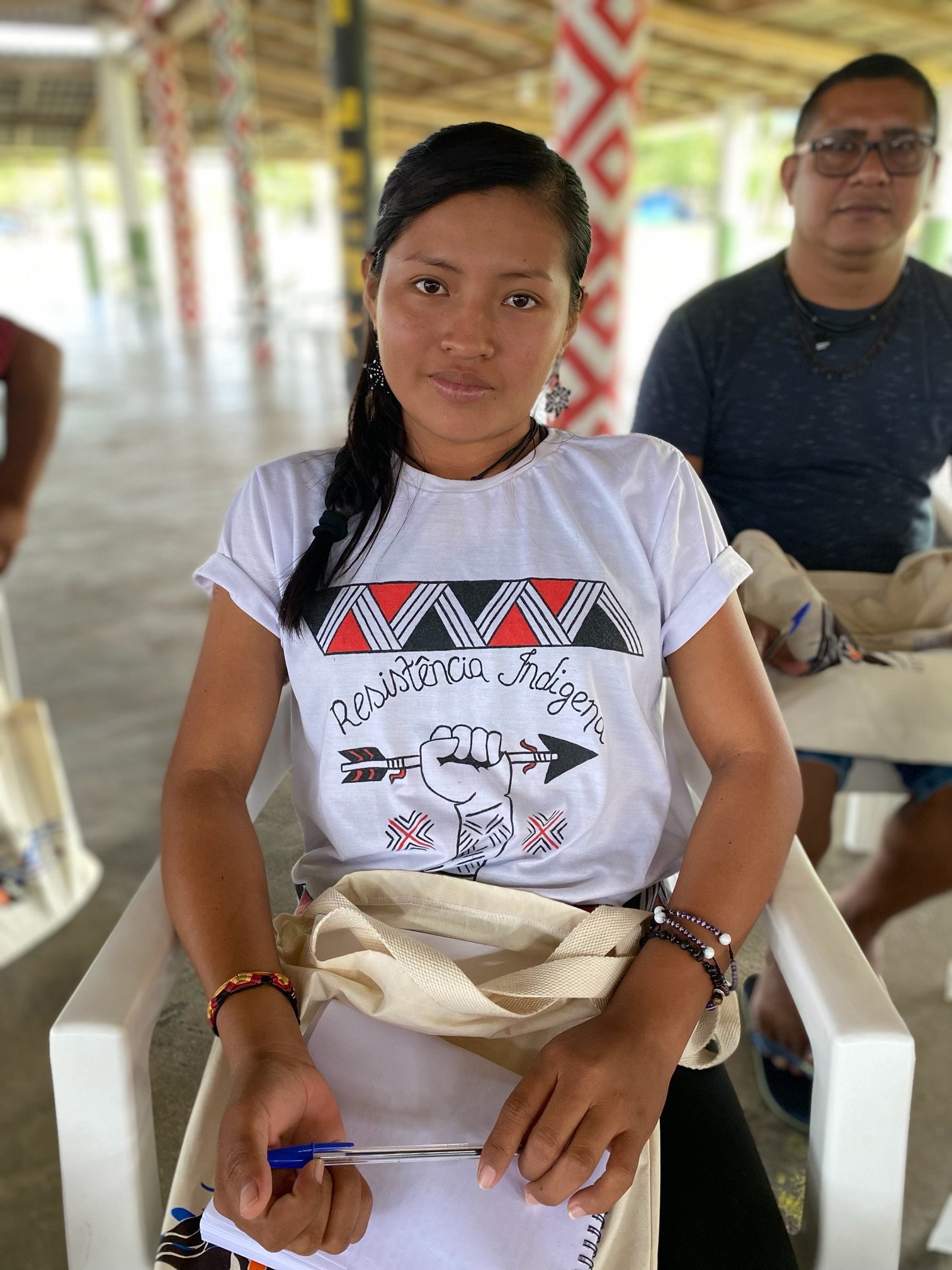
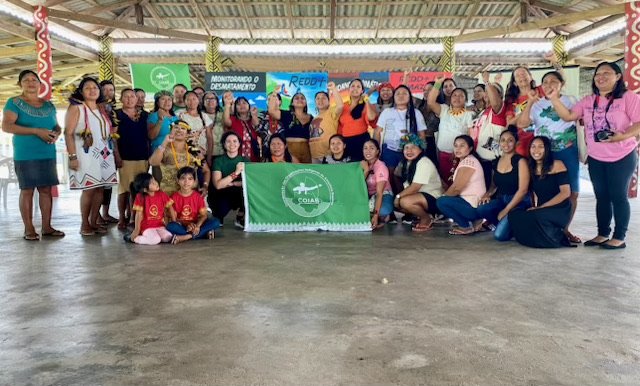
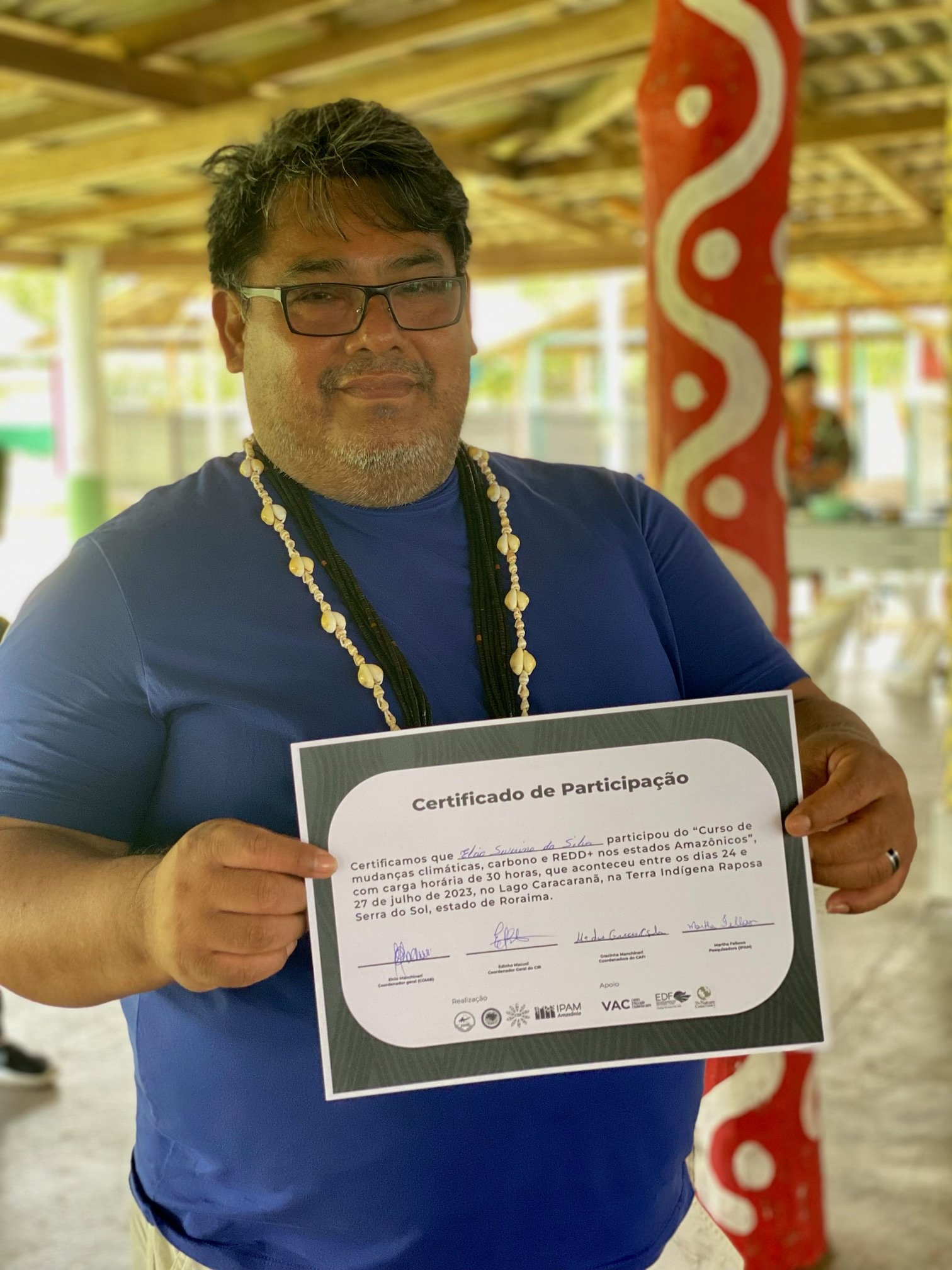
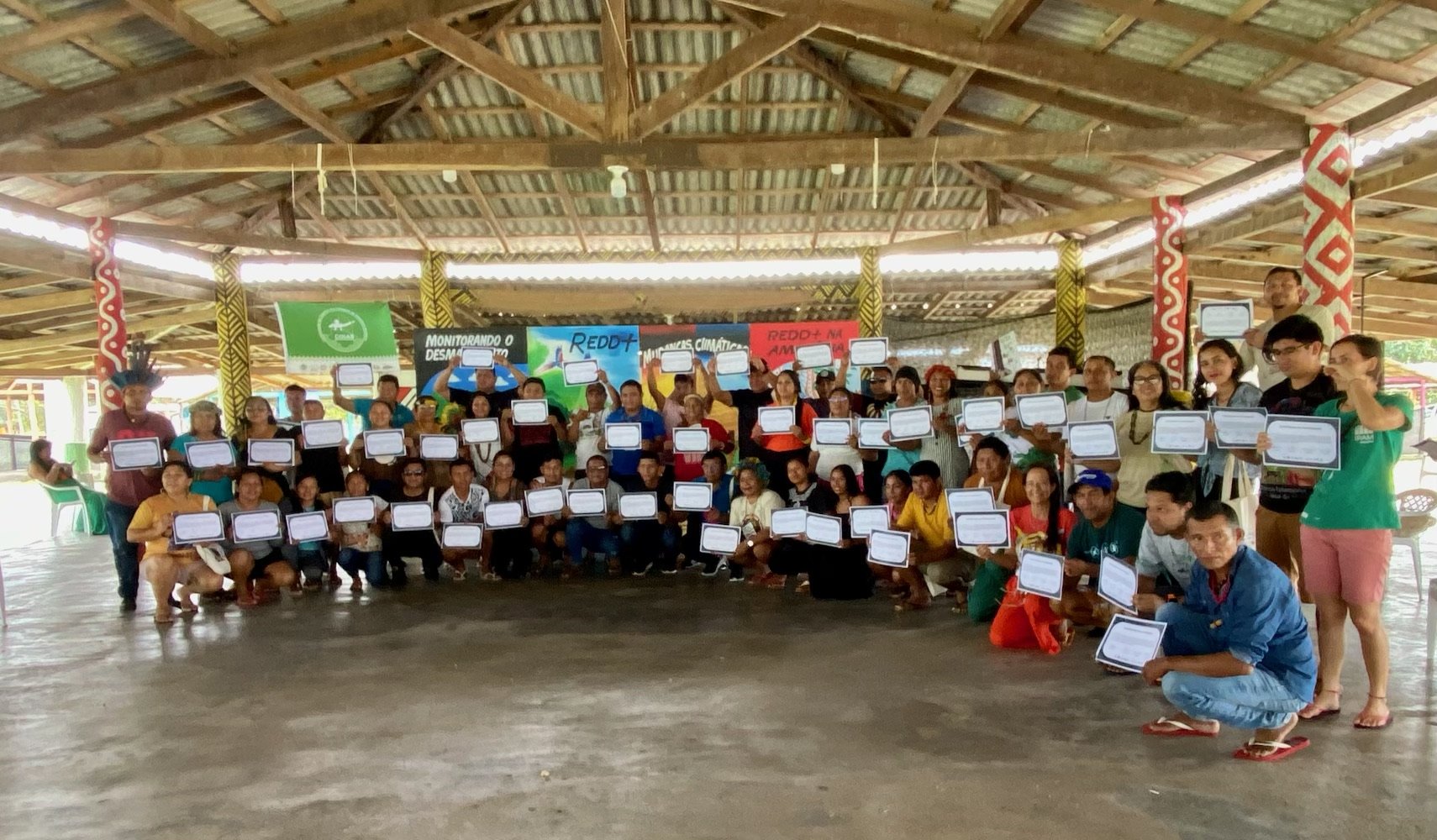
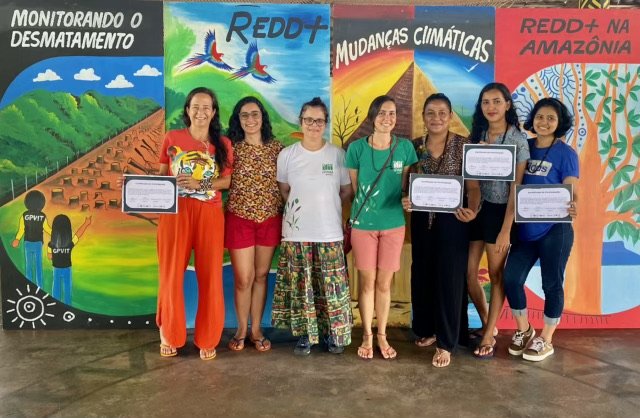
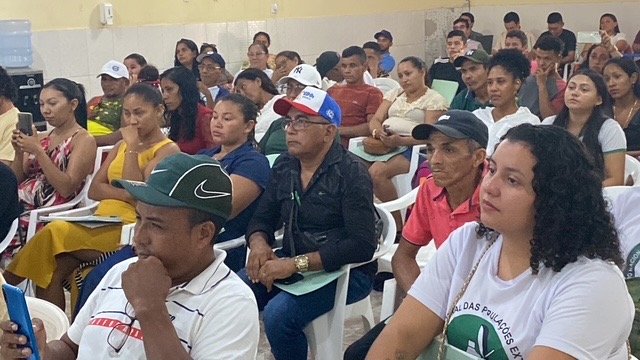
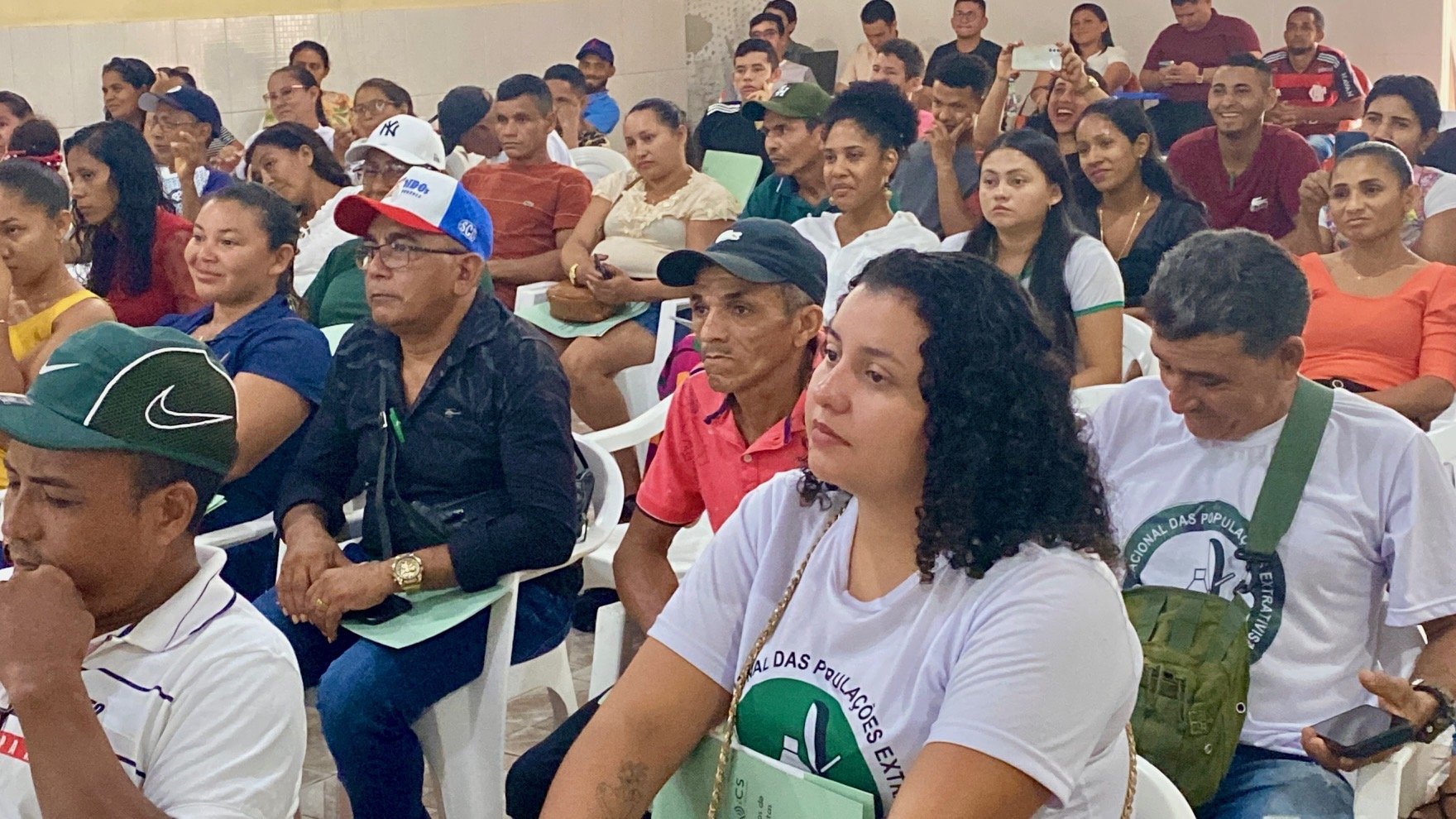
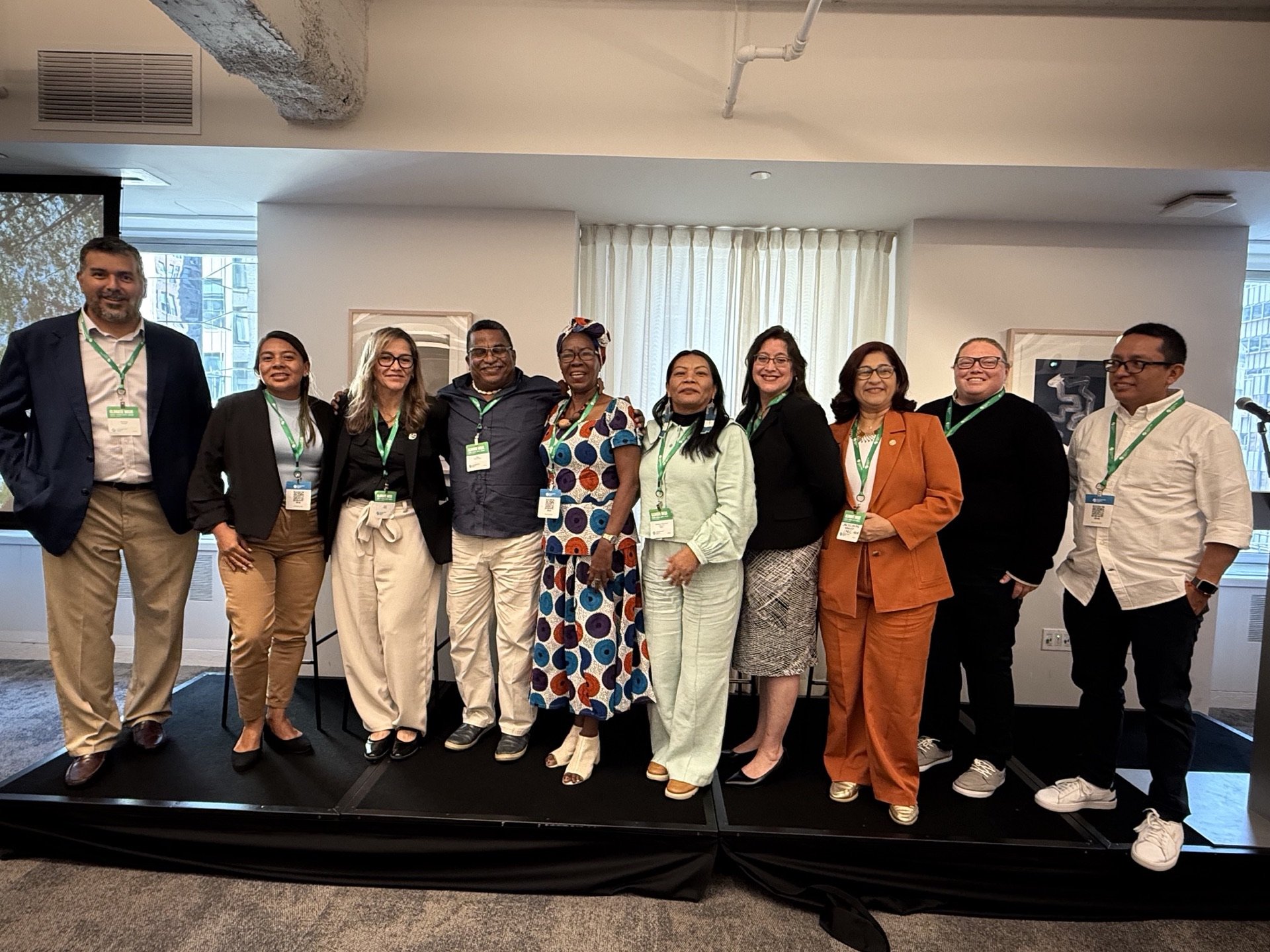
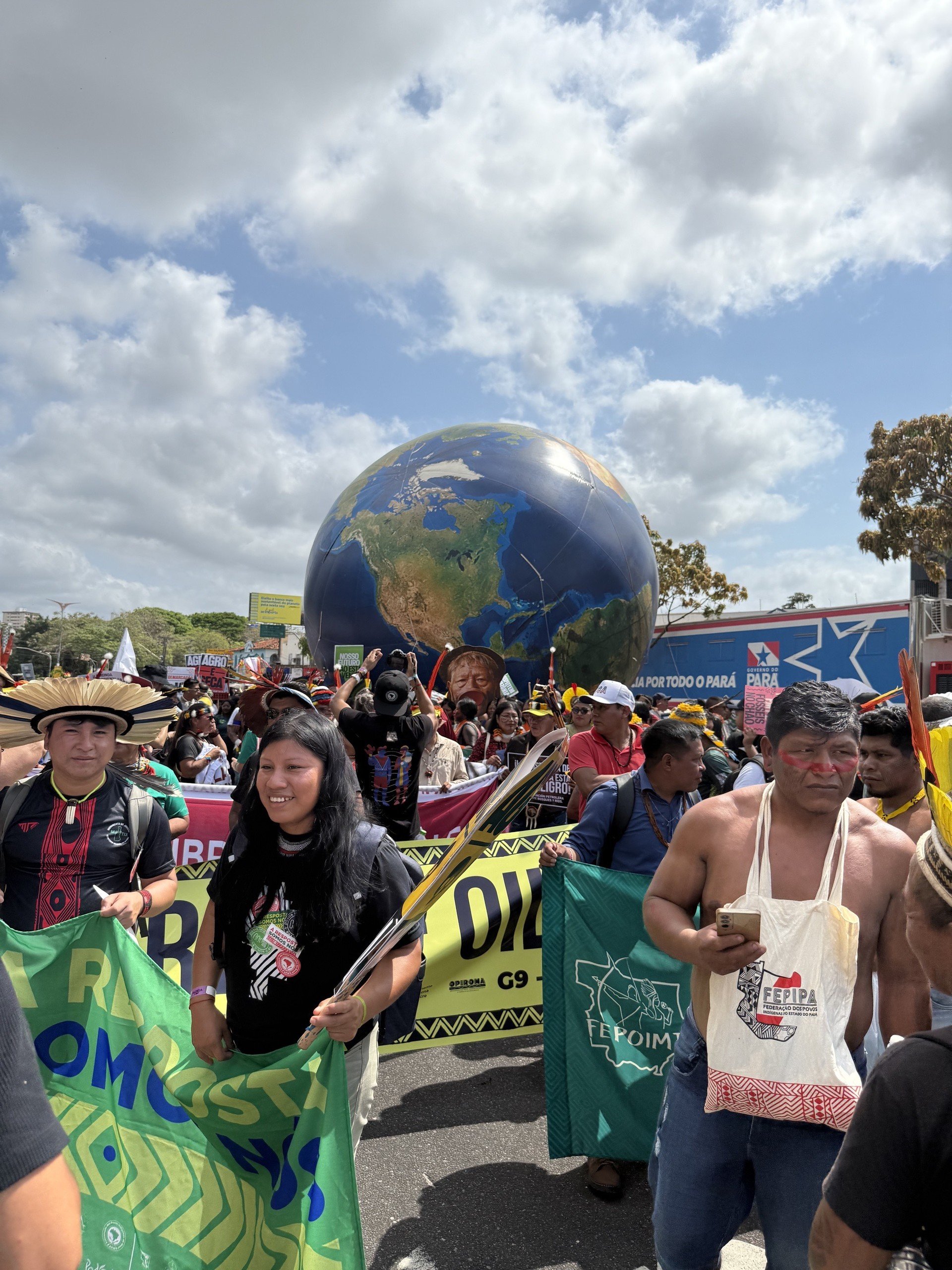
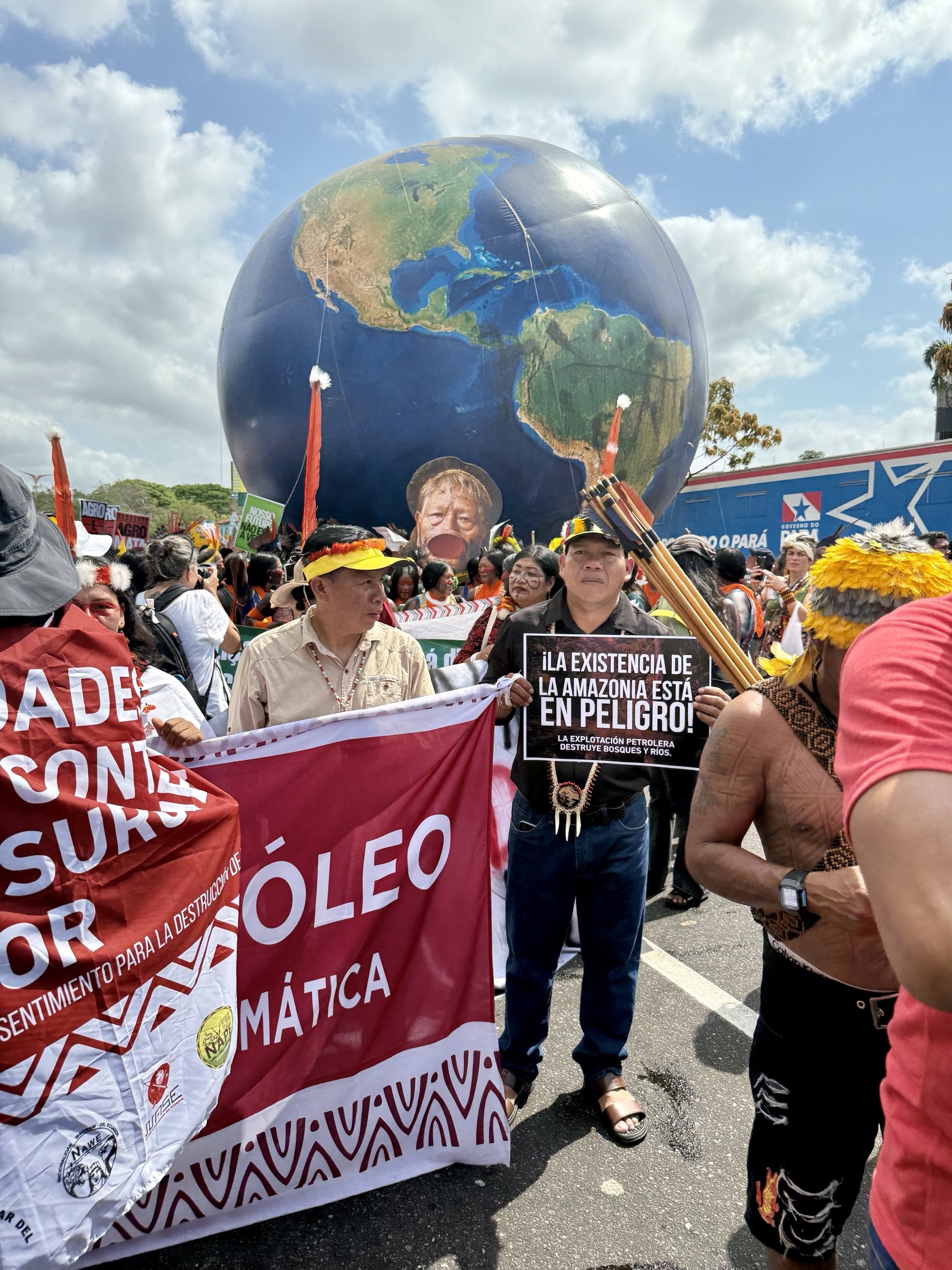
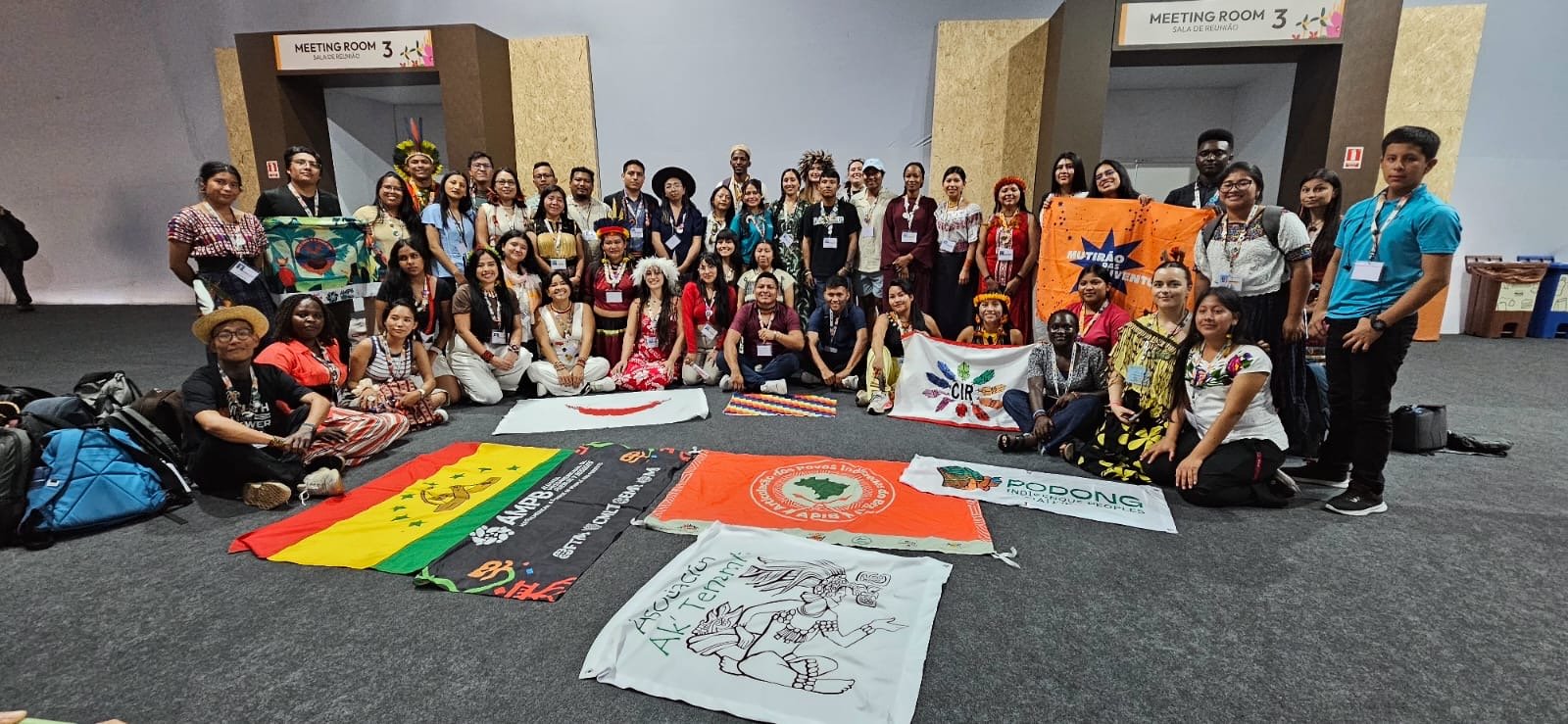
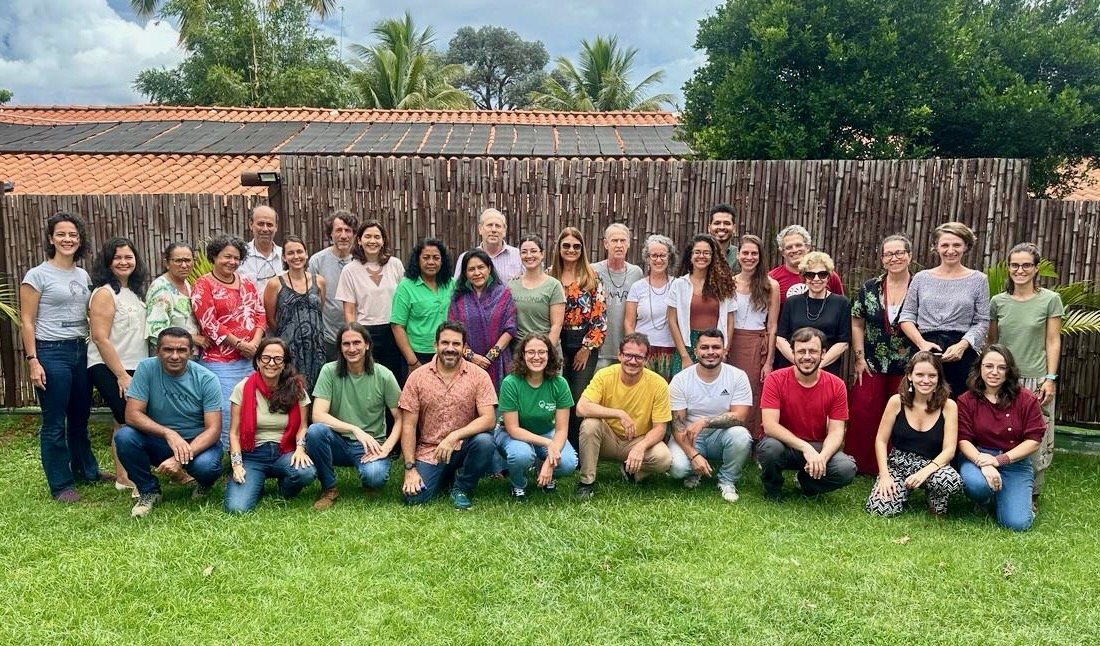
Indigenous associations, leaders, and institutions that have been working in Indigenous territories for more than 30 years are coming together to share knowledge on climate change.
“We, Indigenous peoples, have been developing our climate adaptation plans from the ground up, at the community level,
with a scale that reaches Brazil and the world.”
Sineia do Vale, Co-chair of the Indigenous Peoples’ Caucus of the UNFCCC







About
Climate and People
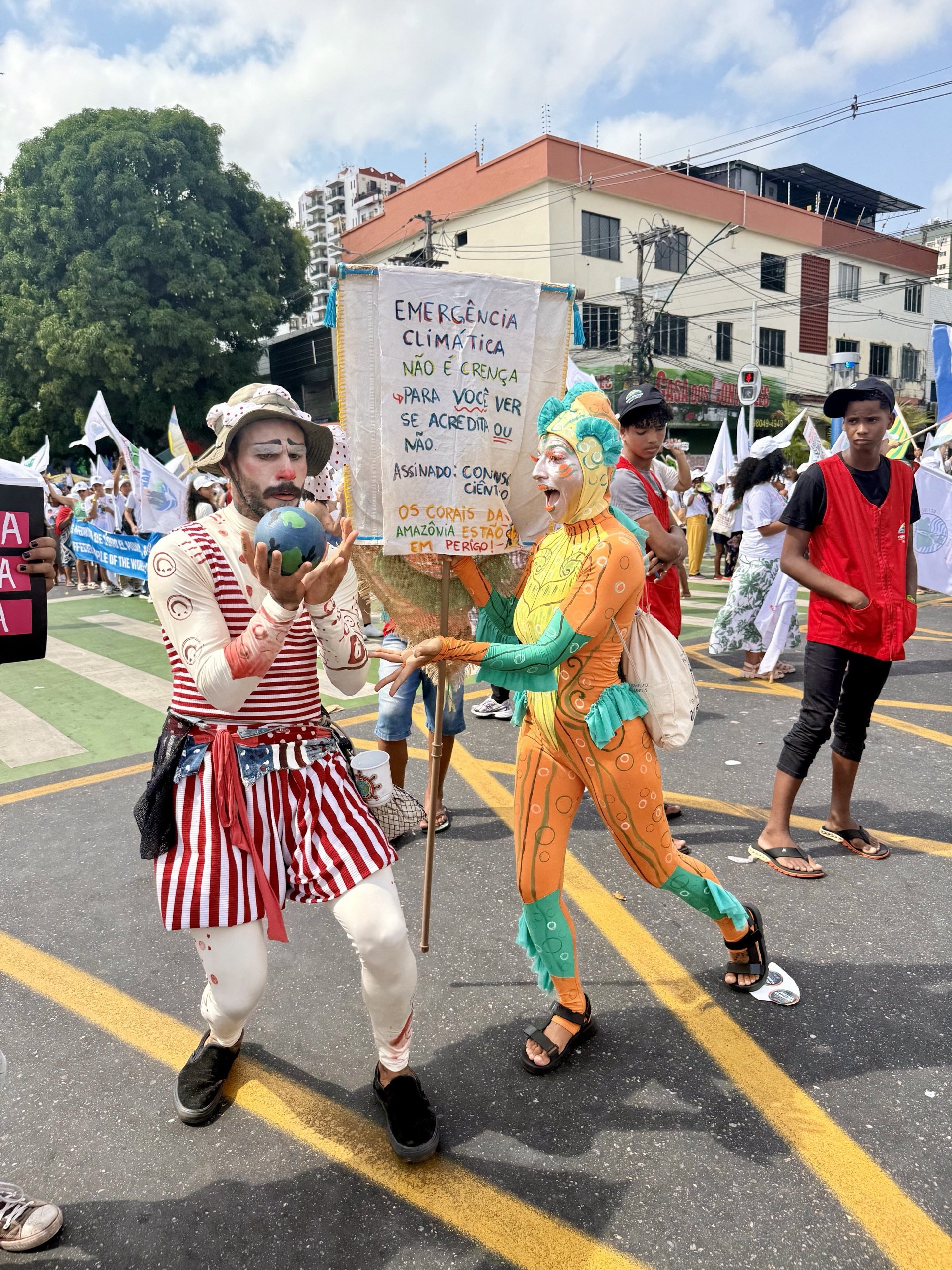
is a knowledge journey across the Brazilian Amazon that connects Indigenous associations, communities, institutions, and researchers to discuss climate change, adaptation plans, carbon markets, REDD+, Free, Prior and Informed Consent (FPIC) processes, international negotiations, and other urgent topics. The initiative aims to strengthen the autonomy, governance, and traditional knowledge of Indigenous peoples in addressing the global climate crisis.
Contact
Climate and People is made possible by a network of partner organizations.
Learn more about each of them and get in touch using the links below: